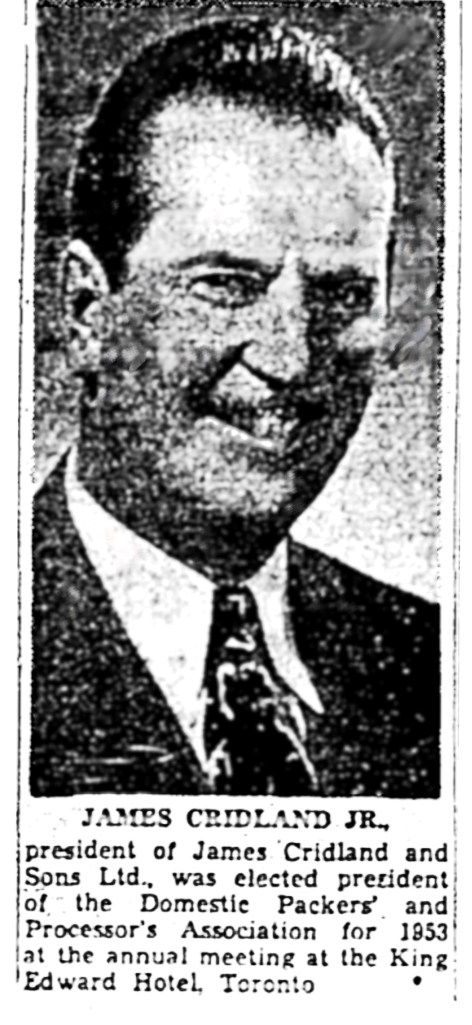
James Cridland Jr, Toronto Star, February 14, 1953
Family background:
Thomas Cridland married Joane Farrant of Culmstock, Devon, England. She was born in May 1667 and they had a son Francis who had a son Thomas born in 1744 in Hemyock, Devon. He and his wife Alice and a son John born in 1769 in Hemyock. In 1796 he married Susanna Scadding. They had a son John Cridland in 1801 who married Jane Gillard in 1836 also in Hemyock. Their son James Cridland (1847-1897) married Elizabeth Blackmore Pyke (1848-1881) and they came to Toronto in the mid 1870s. After his wife died he remarried (Anna Maria Fyfe). James Cridland went to work for William “Piggy” Davies, the pork packer who helped found Canada Packers. His son James Cridland (1877-1952) founded Cridland & Sons.
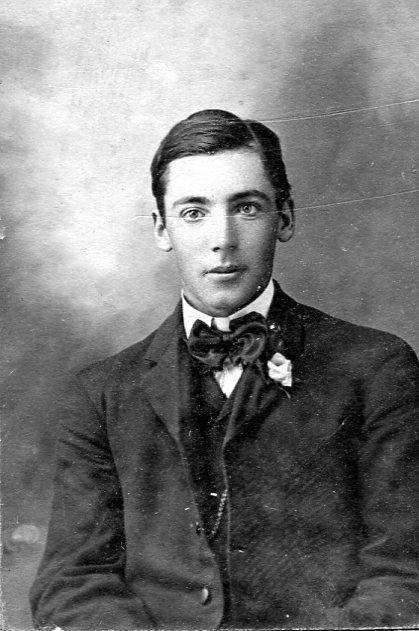
James Cridland (1877-1952)
It should also be noted that the Cridland ancestor, Susanna Scadding, was from the same family as early Toronto settler John Scadding and his more famous son, the Rev. Henry Scadding (1813-1901) who wrote “Toronto of Old” (1873).
The Cridland Bros. plant opened in 1915.
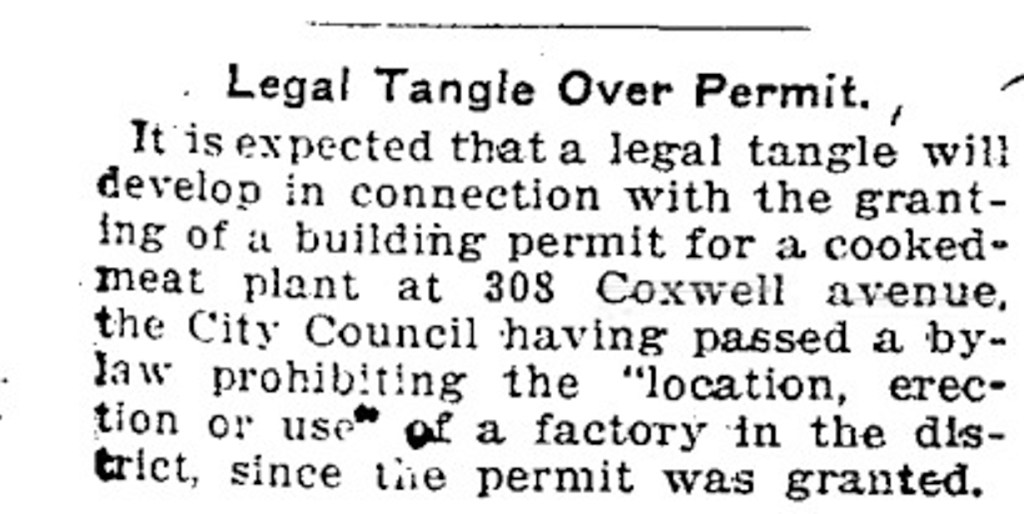
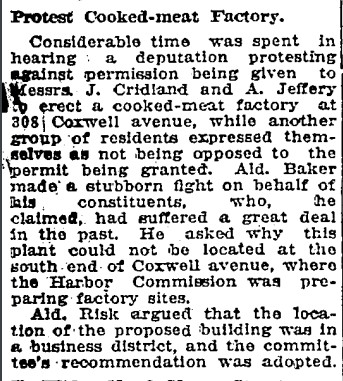
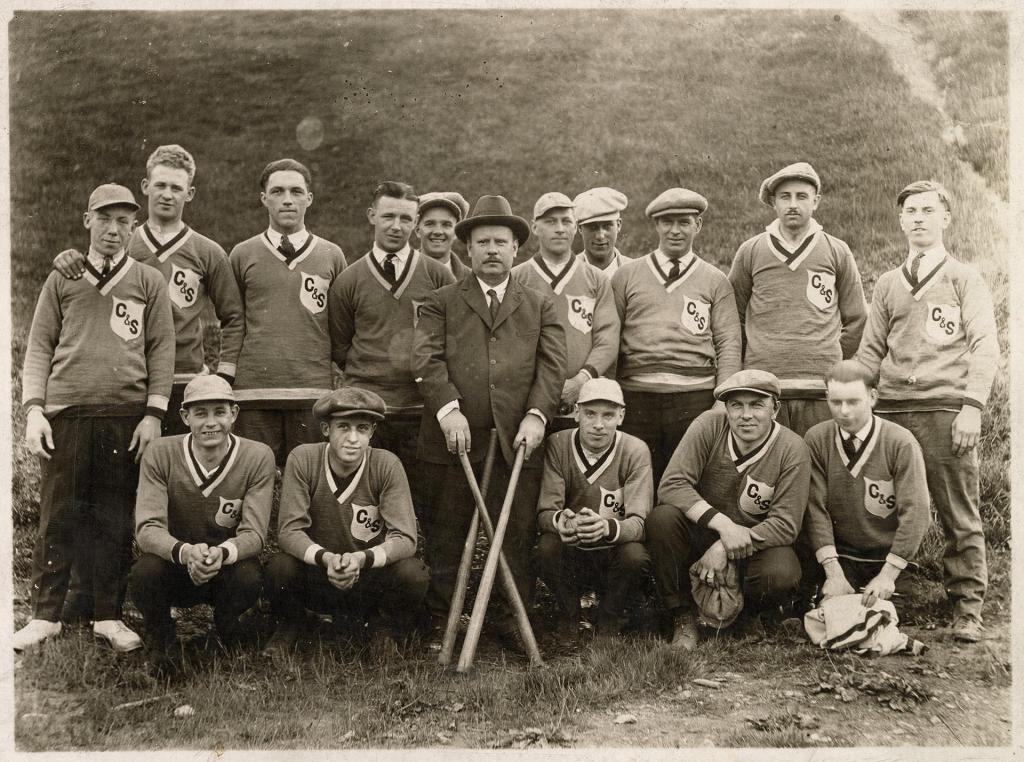
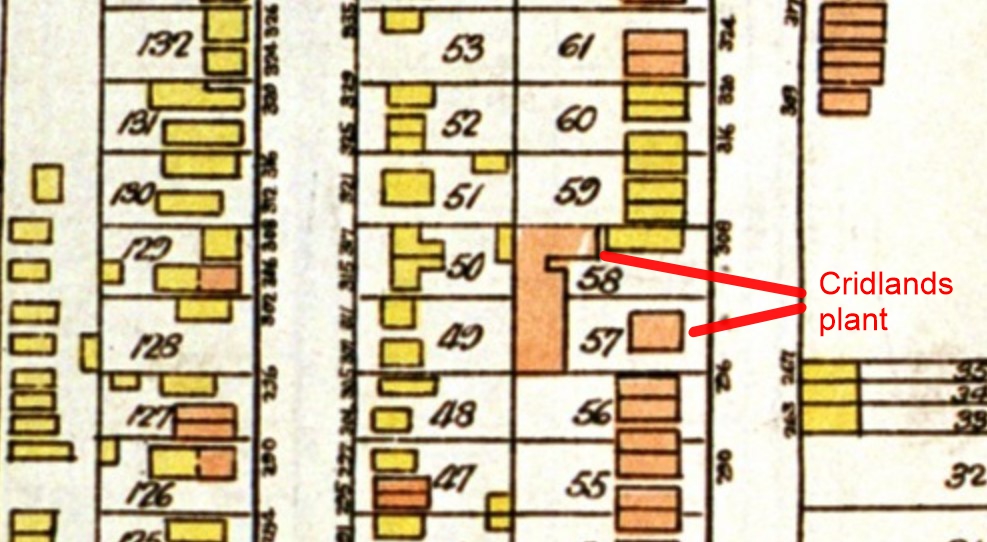
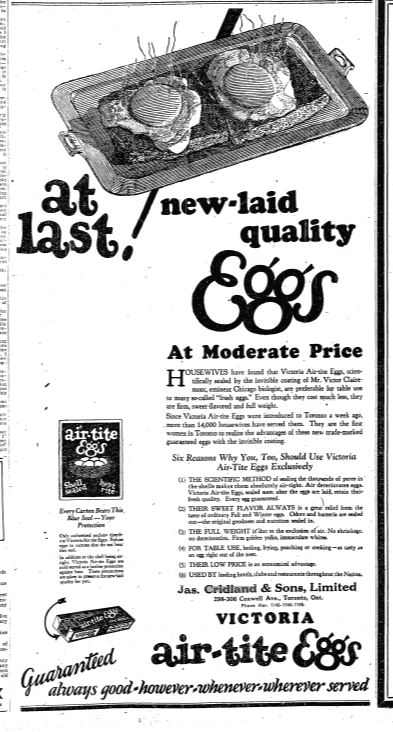
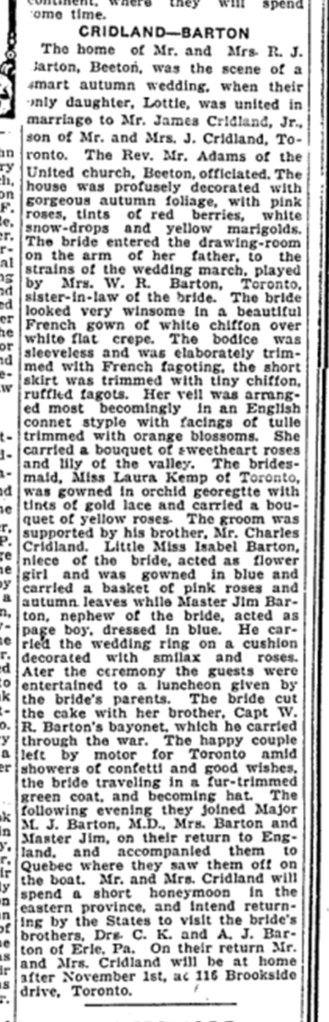
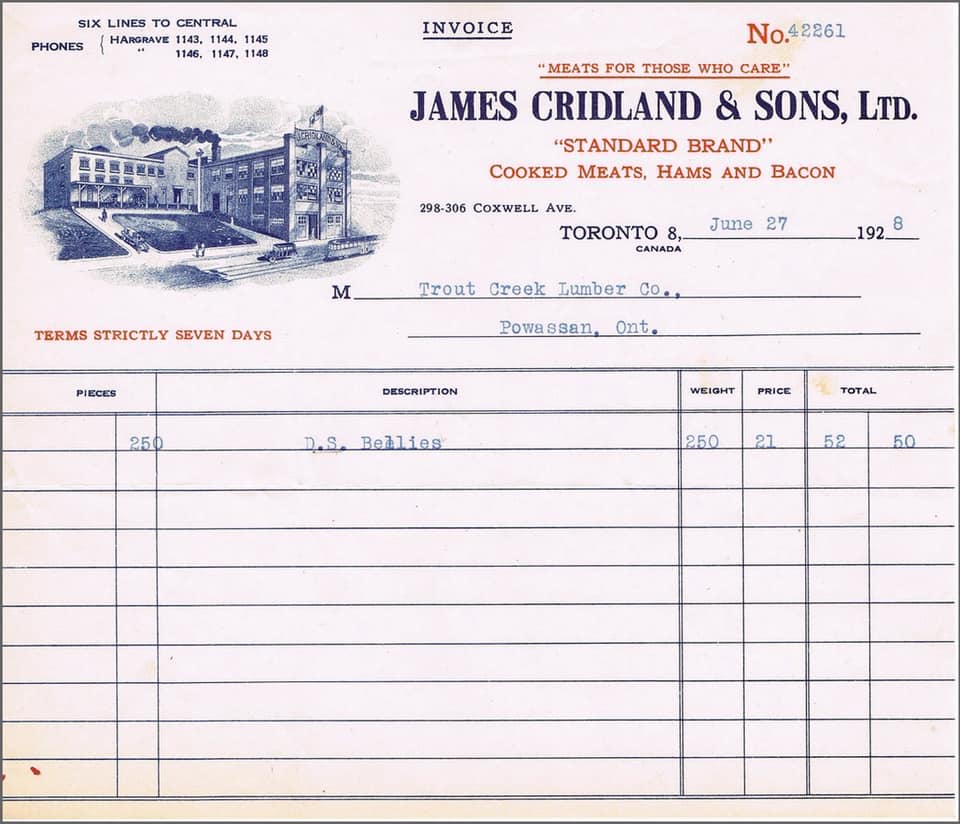
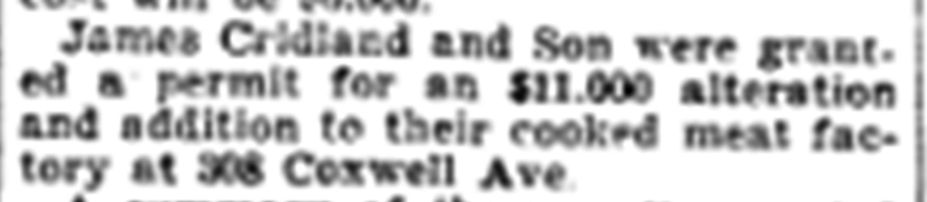
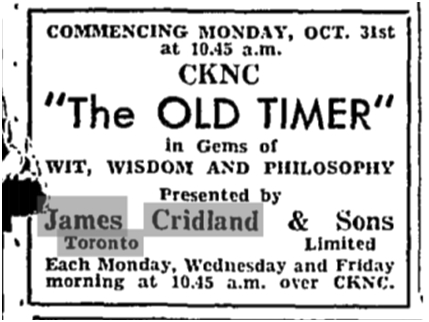
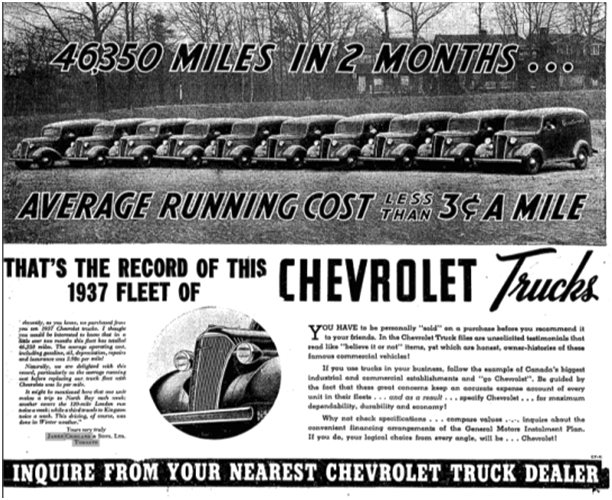
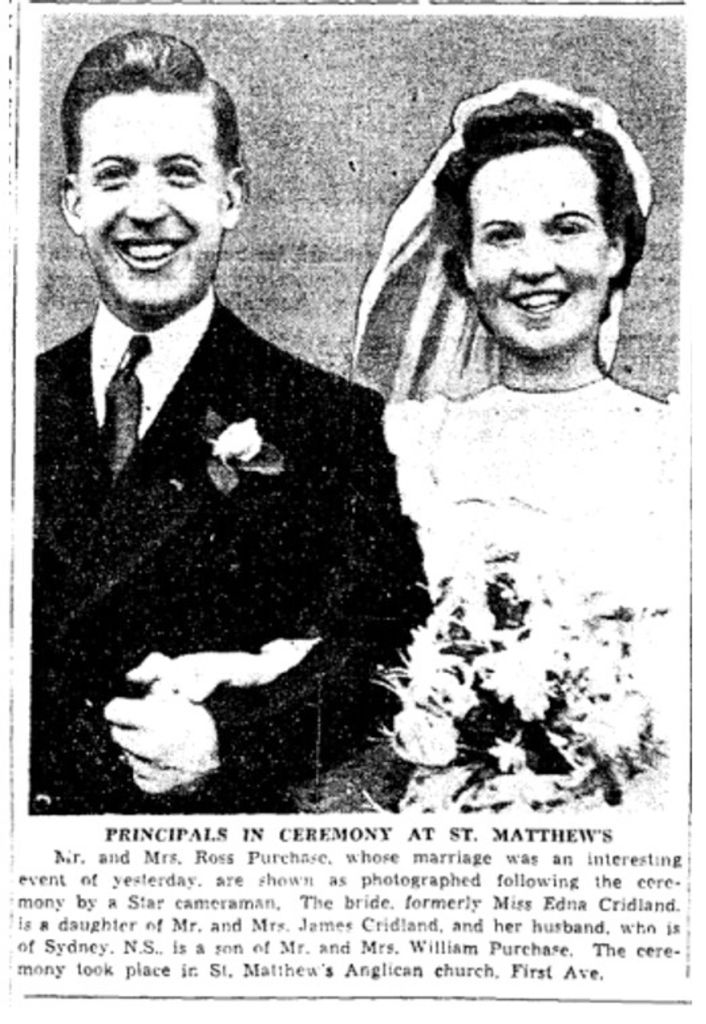
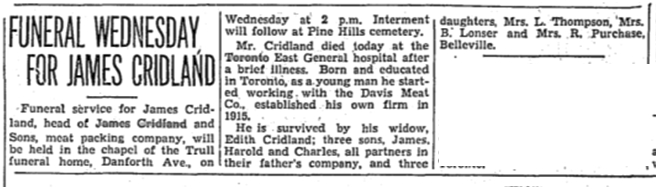
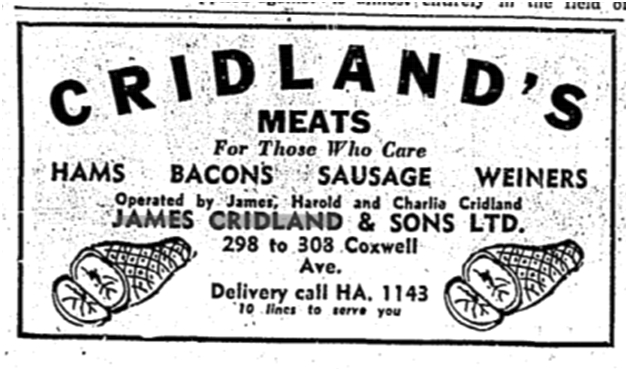
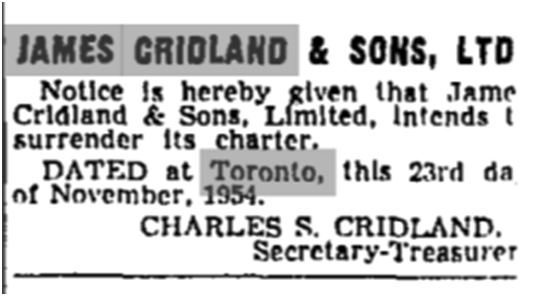
Boner wanted, Cridlands, Toronto Star, April 29, 1920Cridland’s meat zoning problem, Toronto Star, September 25, 1920Toronto Star, Sept. 15 1920Cridland and Jeffrey meat plant Coxwell, Globe, February 22, 1921Ad, Cridlands, from the History of the Fire Dept, 1922Cridland & Sons picnic at Scarborough Heights Park, approx. 1922 or 1923Cridland and Sons baseball team 1922, TPL1924 Cridlands site, Goad’s Atlas 1924, 306-308 Carlaw Ave., Lot 8, Subdivision Plan 214Air Tite Eggs, Cridlands, Toronto Star, November 13, 1925Cridland-Barton marriage, Toronto Star Oct. 14, 1925Gerrard and Coxwell, looking north, (Way Department) – June 17, 19261926 Cridlands, Coxwell Avenue detailCridlands ad, Toronto Star, 04 Apr 1928Invoice, James Cridland & Sons Ltd.Alterations to Cridland plant, Toronto Star, Dec. 27, 1929Cridland expands, Globe, December 23, 1929Cridland ad, Ottawa Citizen, May 19, 1932Cridland radio show, Globe, Oct 31, 1932Cridlands, Globe and Mail, July 23 1937Edna Cridland marriage, Toronto Star, July 24, 1941Cridland-Thomson engagement, Toronto Star, June 27, 1942Cridland-Neale engagement, Toronto Star, May 29, 1944Death of William Cridland, Globe and Mail, June 10, 1948James Cridland, funeral, Toronto Star, Oct. 20, 1952Obituary, Globe and Mail, October 21, 1952Toronto Star Nov. 20. 1952ad, Toronto Star, April 16, 1953Cridland winds up, Globe and Mail, Nov. 26. 1954Cridland meats building 1959 and 1920’s, courtesy Scott TurnerEdith Maud Cridland obituary, Globe and Mail, Dec. 16, 1965
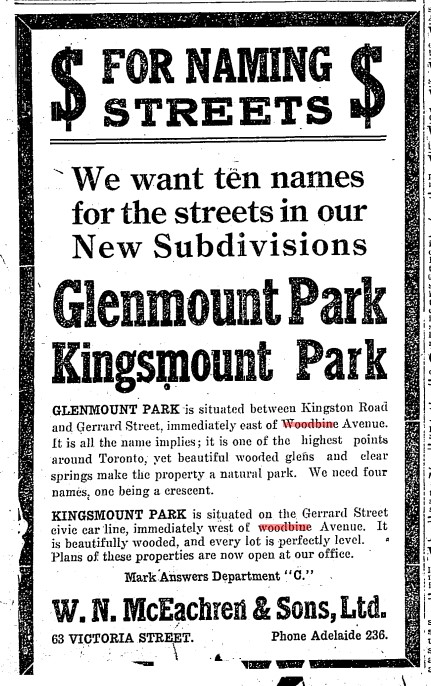
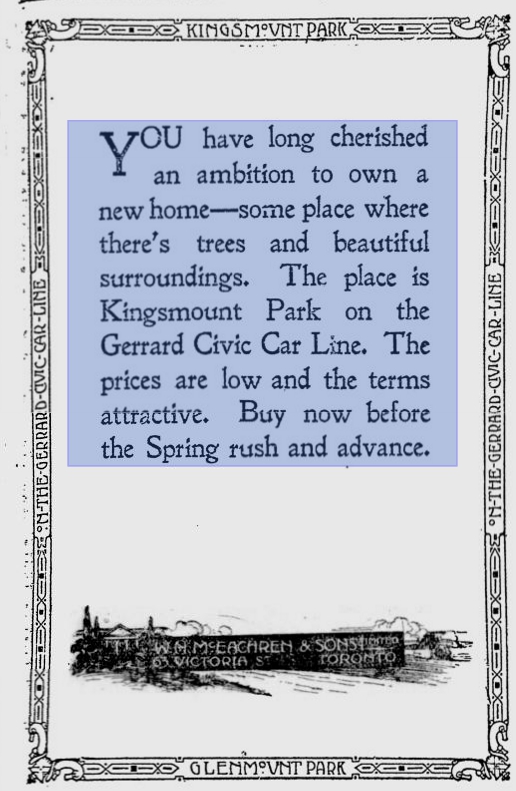
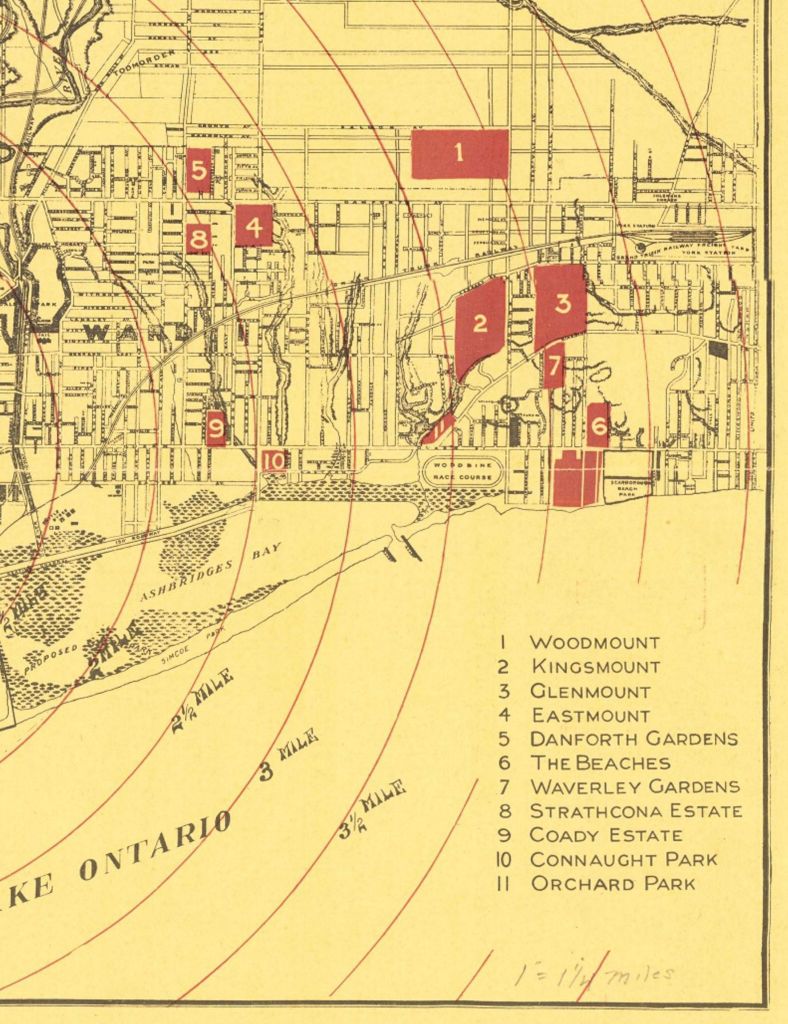
There were two new McEachren subdivisions, each unique, but with some common elements: high quality homes and the effort the owner and developer of the properties, the McEachren family, to retain the trees. First was was Kingsmount Park, from Bowmore to Woodbine, and then, across Woodbine Avenue, Kingsmount Park.
By 1923, there was a building boom across Toronto as prosperity had returning following the brief depression of 1919. The area filled in with rows of brick bungalows, detached, duplexes and triplexes:
The building impulse is also evident south of Danforth and Gerrard street east from Main street to Coxwell avenue, including the new subdivision, Kelvin Park Beach, which is astir with scores of houses rising above the snow-cloaked fields. Variety in architecture and price underlie the building movement of this district, and homes range in value from $5,000 to $9,000. The ring of the hammers of the builders in the Gerrard street east district echoes over the hills south to Kingston road, where from the city limits at Victoria Park avenue to Queen street, with its lake frontage streets, are building up with blocks of homes valued from $4,500 to $8,000. During the last few days cellars have been excavated in the new Bingham avenue subdivision and Glenmount Park. Globe, February 27, 1923
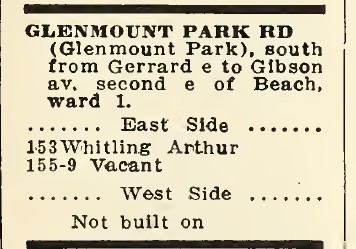
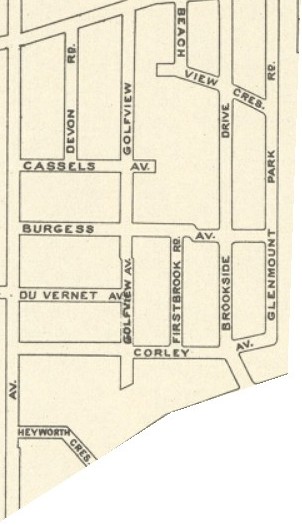
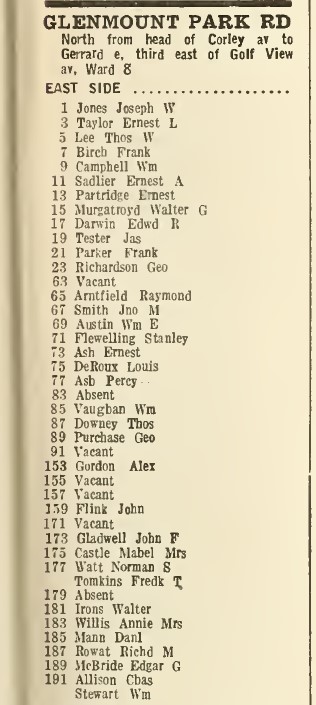
Glenmount Park ad, Toronto World, December 4, 1911Glenmount Park ad, Toronto World, November 15, 1911Toronto Star, February 6, 1912 Street names Kingsmount, GlenmountGlenmount ad, Toronto World, February 24, 1912Glenmount ad, Toronto Star ad, April 11, 1912Glenmount aerial labelled, Toronto Star ad, April 11, 1912Toronto Star, April 11, 1902 Glenmount mapA home among the trees, Toronto Star, June 14, 19121916 Glenmount Park RdGlenmount Park, Toronto Star, May 6, 19191921 Glenmount ParkMcEachren ad, Globe, June 9, 1923The model home at 92 Glenmount as it looked in 19231924 Glenmount Park Rd1924 Glenmount Park RdGlenmount Park Rd sale, Toronto Star, April 12, 1924William McEachren, realtor
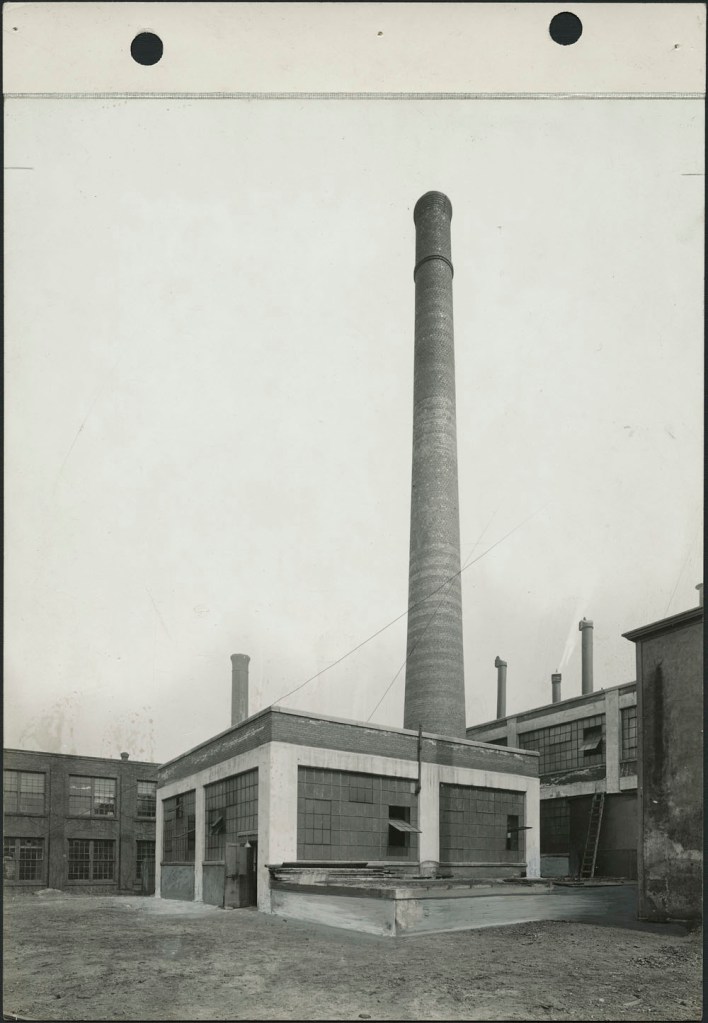
Complete Liquidation, Globe and Mail, February 13, 1993Early Colgate adArchitect’s rendering of the proposed factory on Carlaw Avenue. The skill is distorted and the images in the background have nothing to do with the actual location of the Palmolive factory.
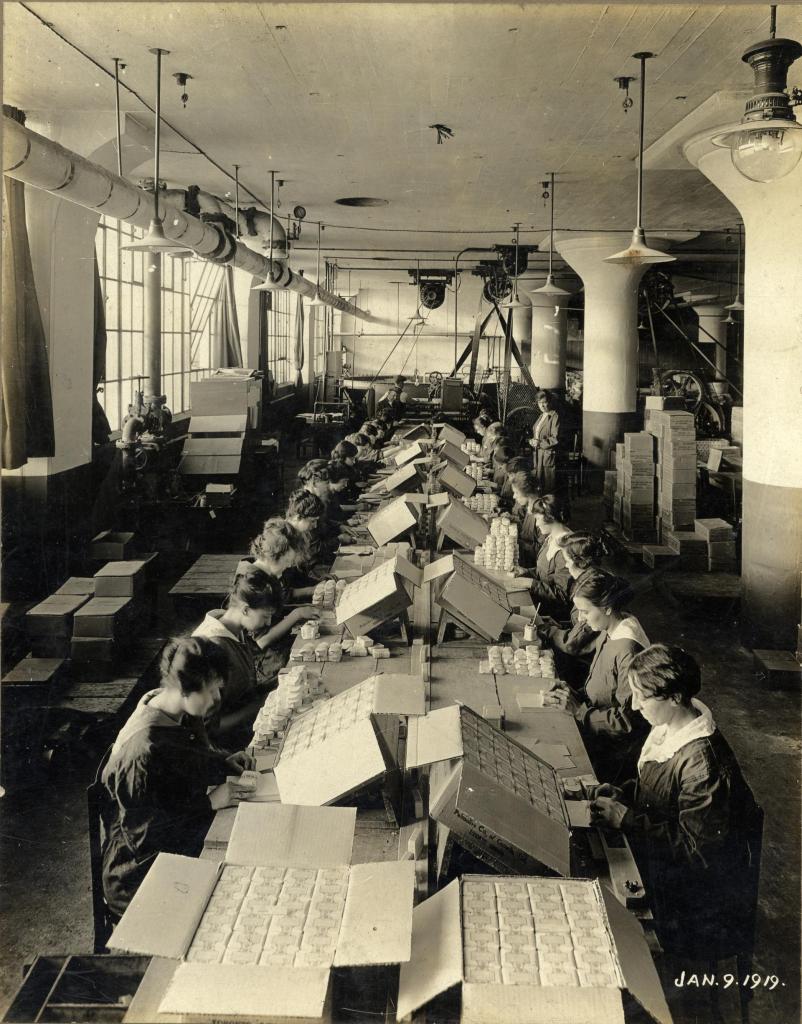
Below are a series of photos taken by the architects in 1919
The finished factory, 1919Women packing soap at the Carlaw Avenue Palmolive factory
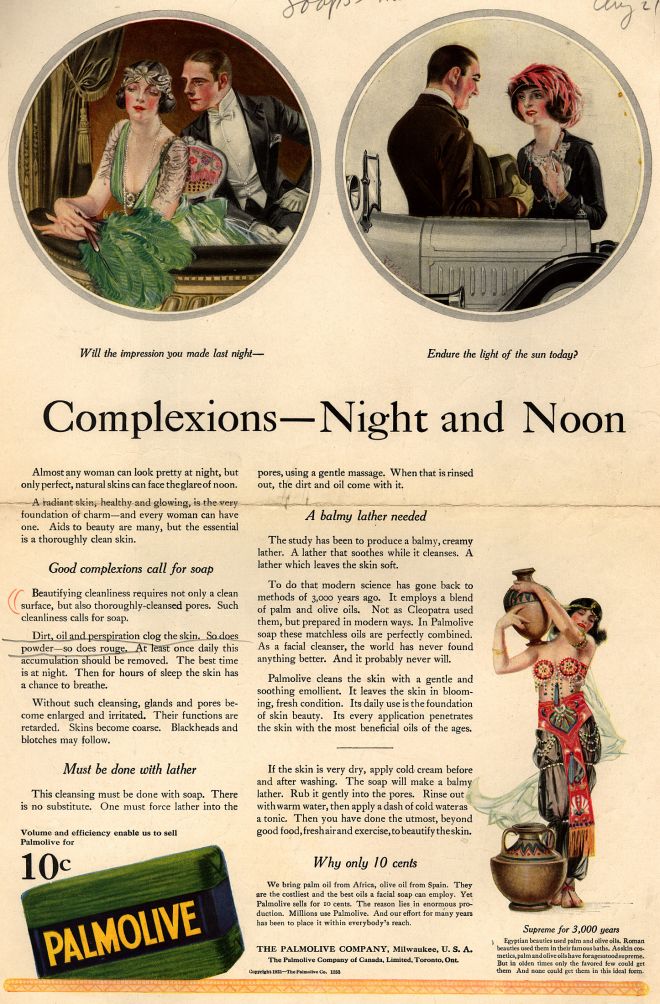
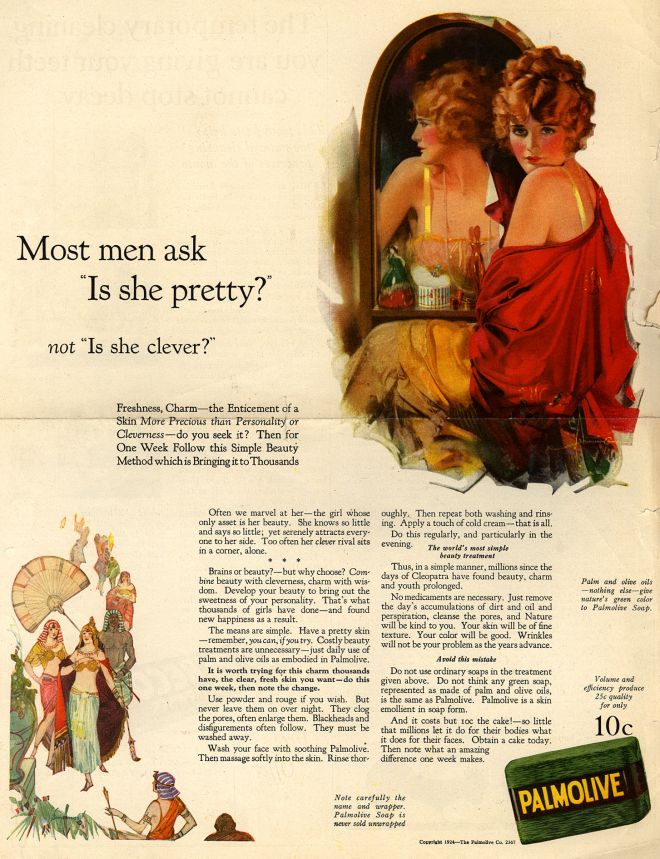
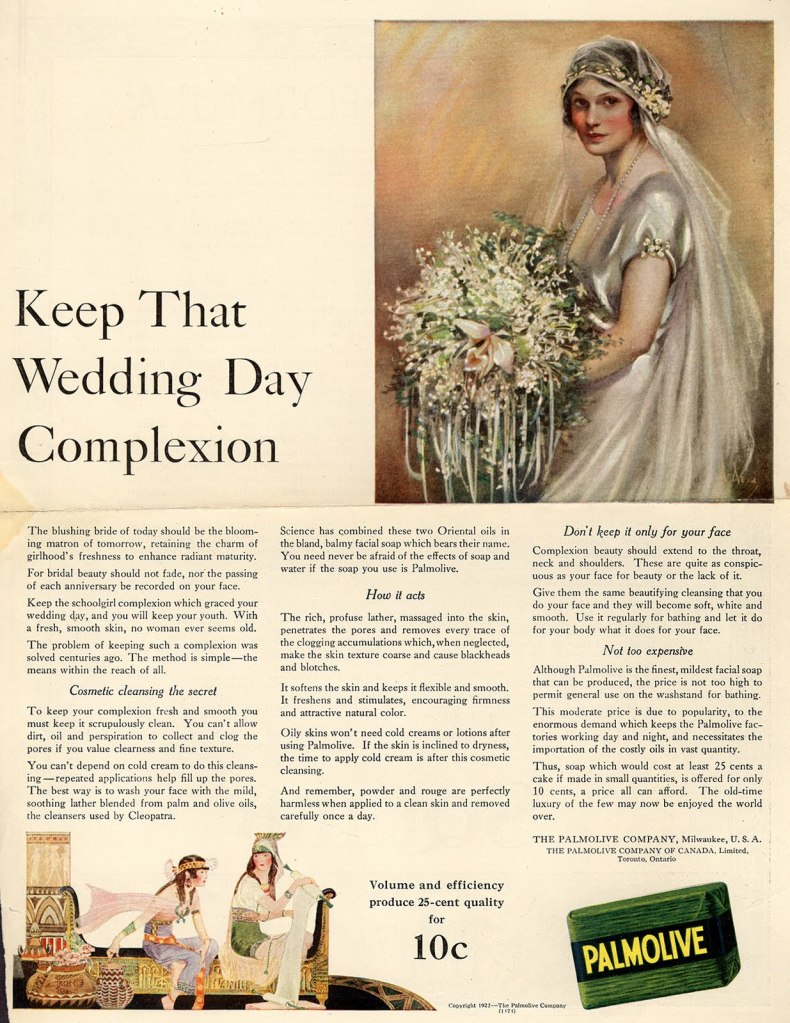
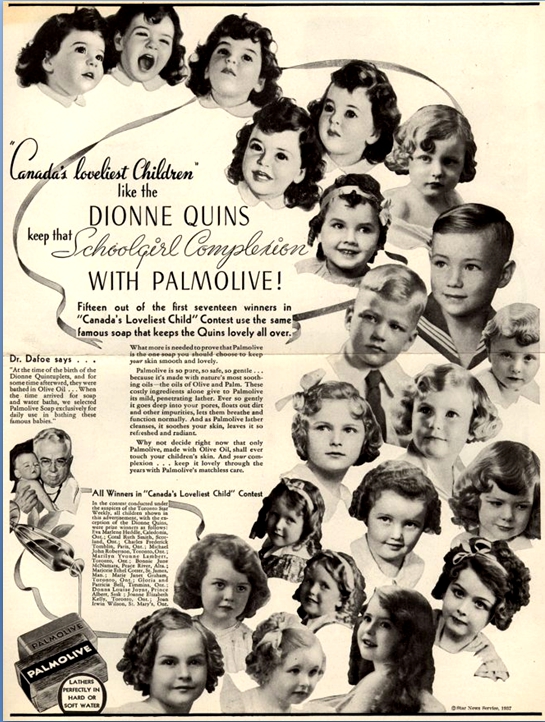
A Gallery of Early Palmolive ads
These ads portray racist stereotypes, sexualizing Black men and presenting them as slaves, while women are also presented in a way that distorts their bodies and sexualizes them. I do not condone the presentations of the time, which were very much influenced by the discovered of Tutankhamen’s tomb by Harold Carter in 1922.
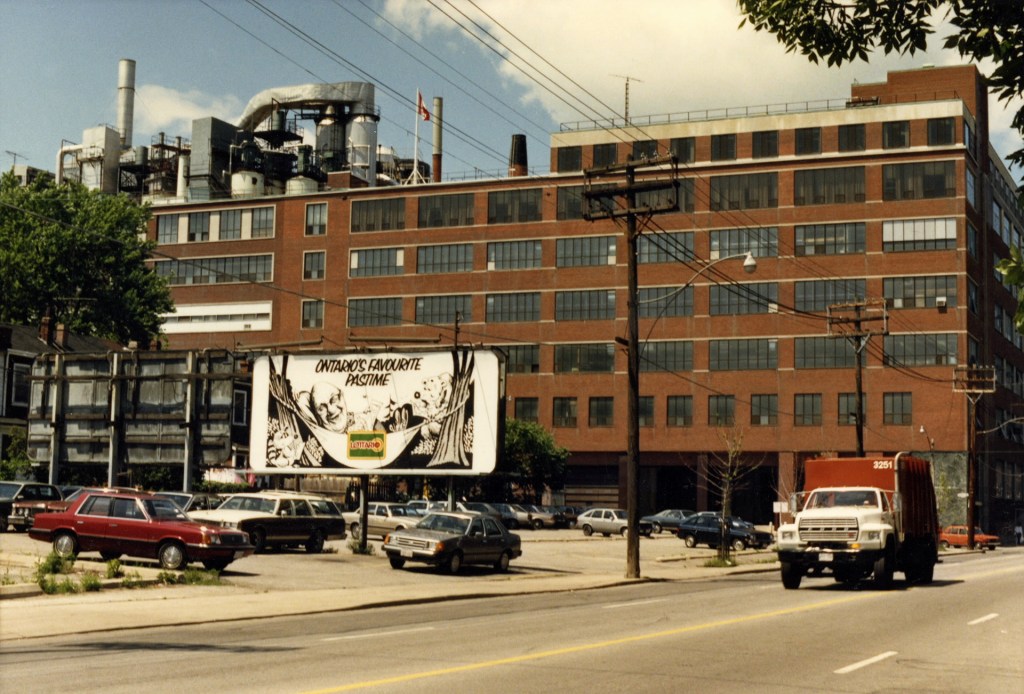
Palmolive Soap Co. from 1925 Might’s DirectoryAd from the Goblin, a University of Toronto student newspaper, September 1926Item is a photograph of two billboards, one on the side of a building occupied by the manufacturers of Palmolive Soap, identified as being located on Natalie Street., 1929 .Colgate Palmolive, Toronto Star, March 31, 1949Colgate 1986 TPL Photographer unknownThe condo where the Colgate-Palmolive factory once stood, photo by Joanne Doucette
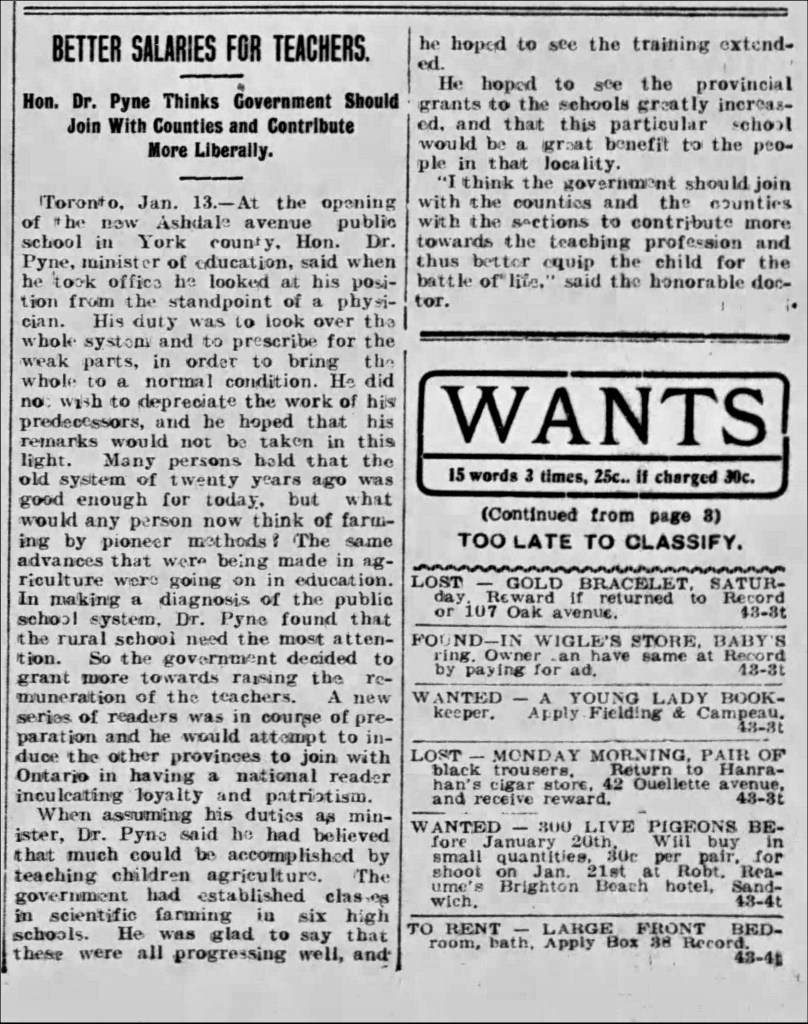
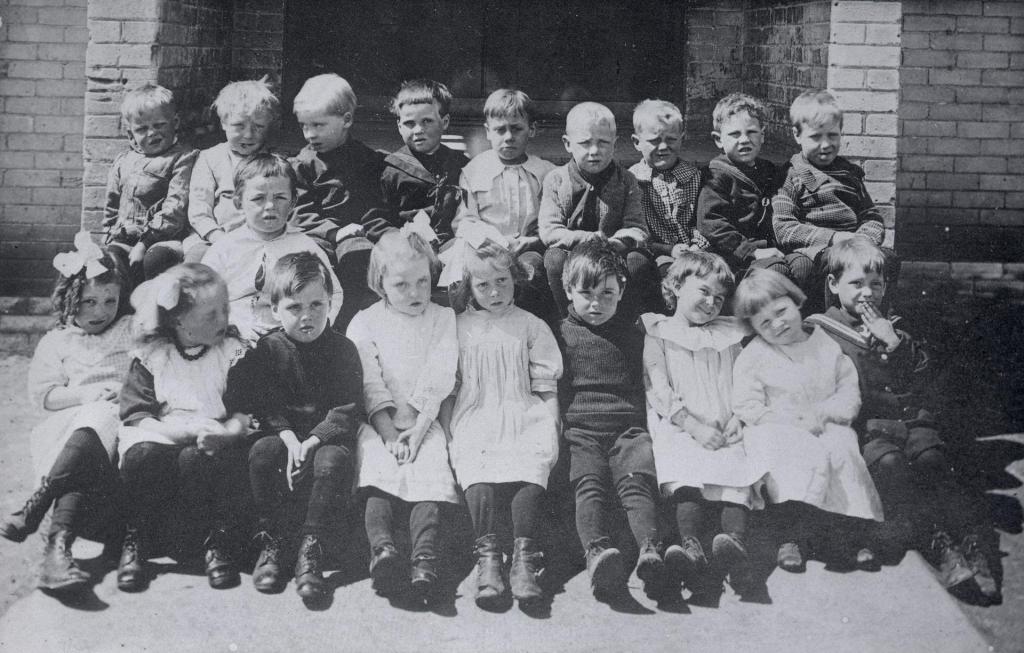
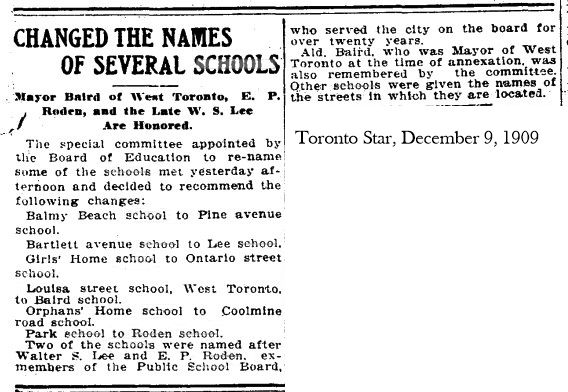
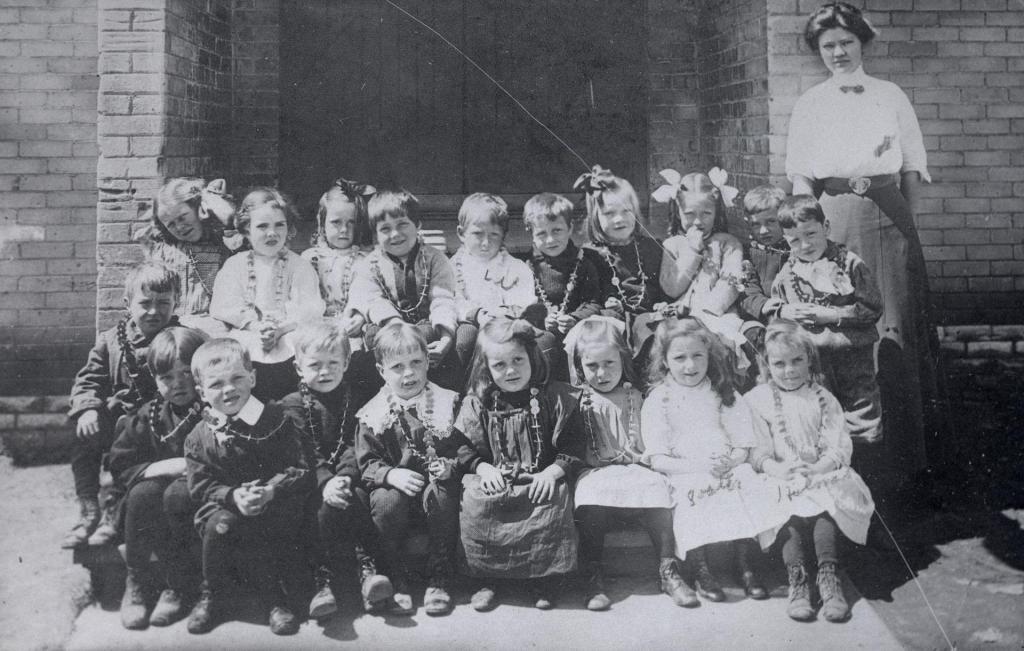
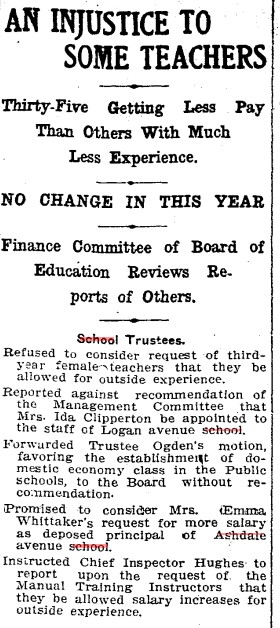
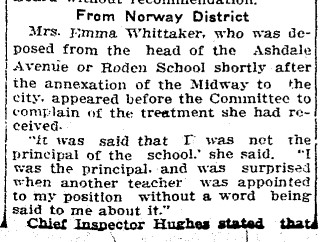
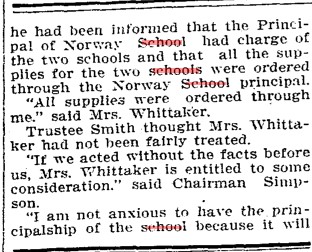
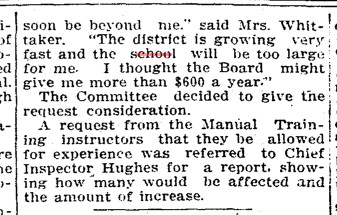
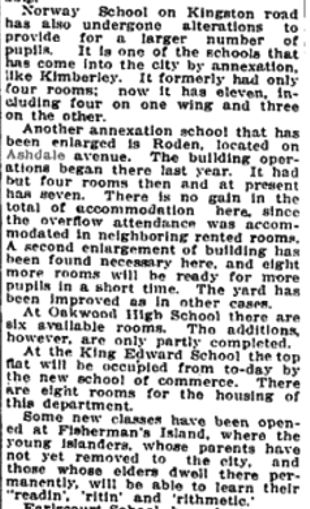
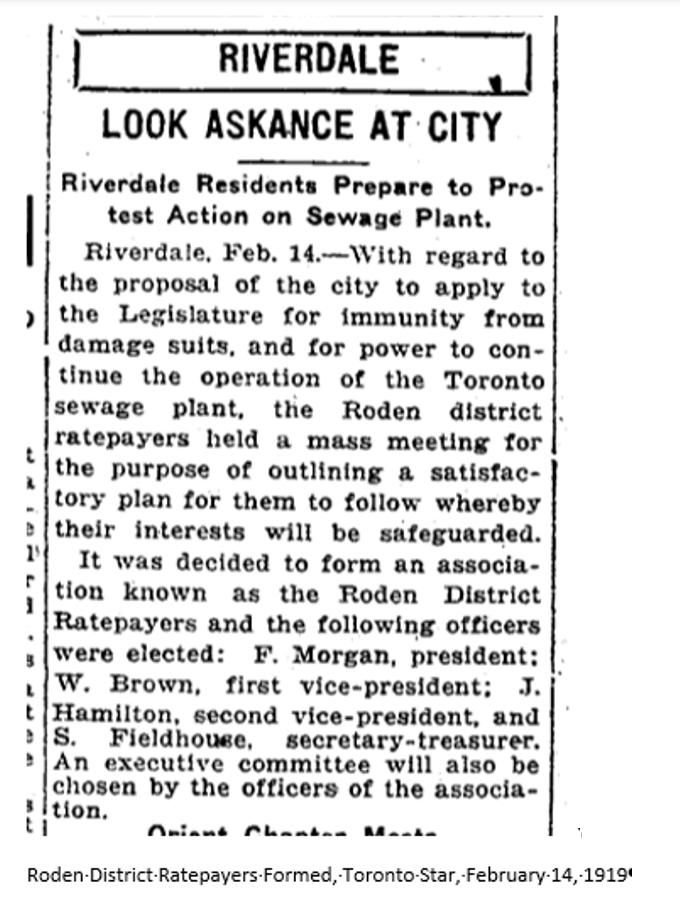
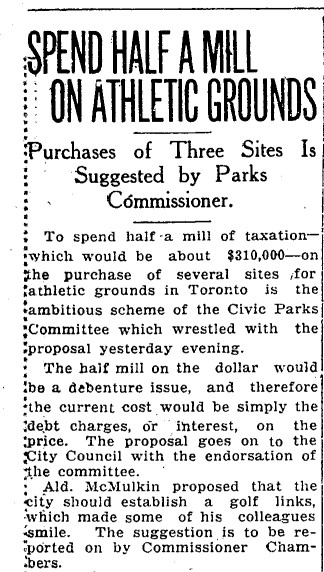
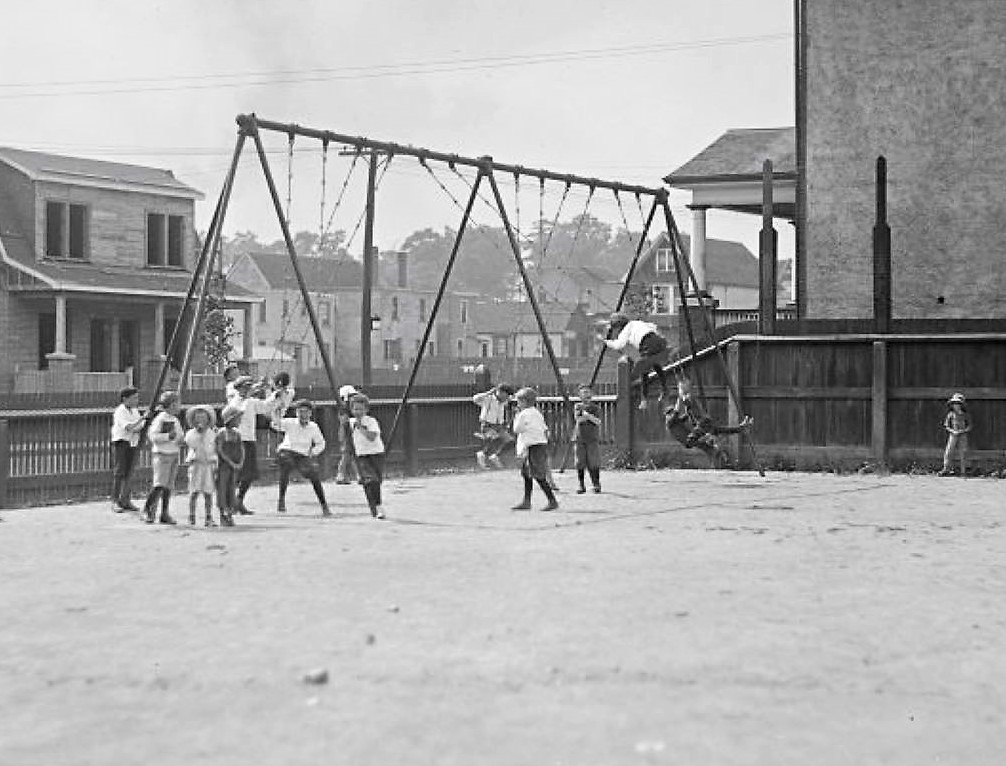
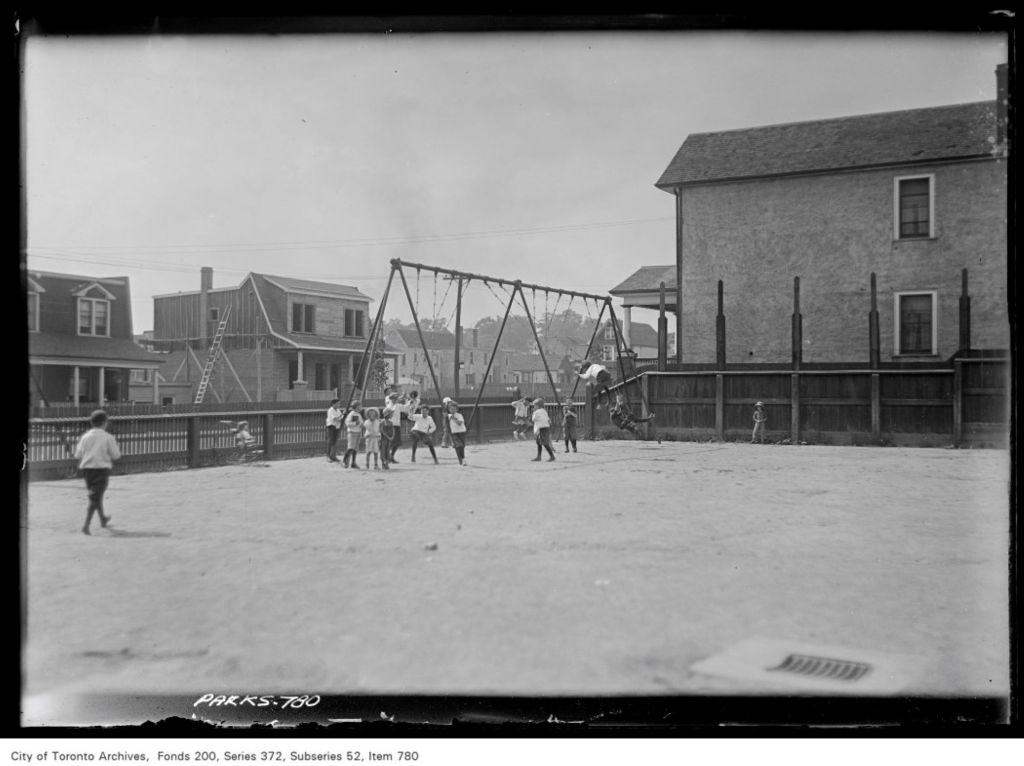
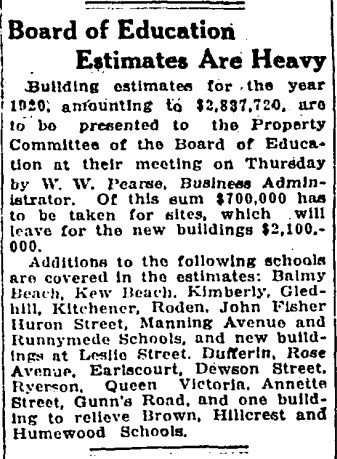
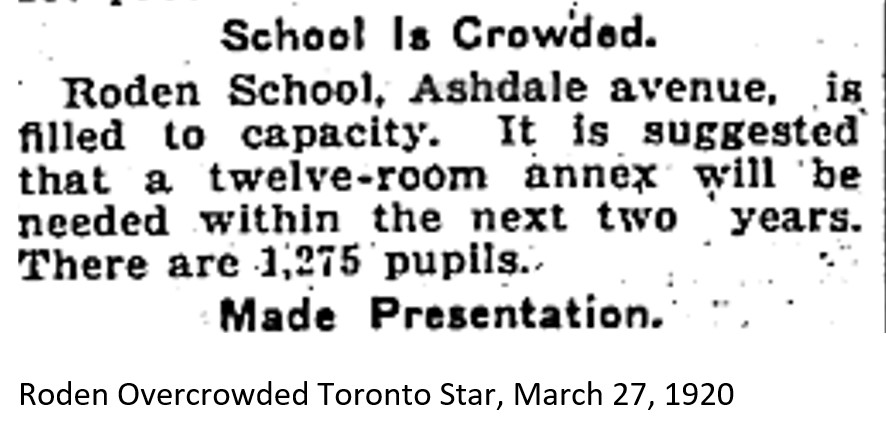
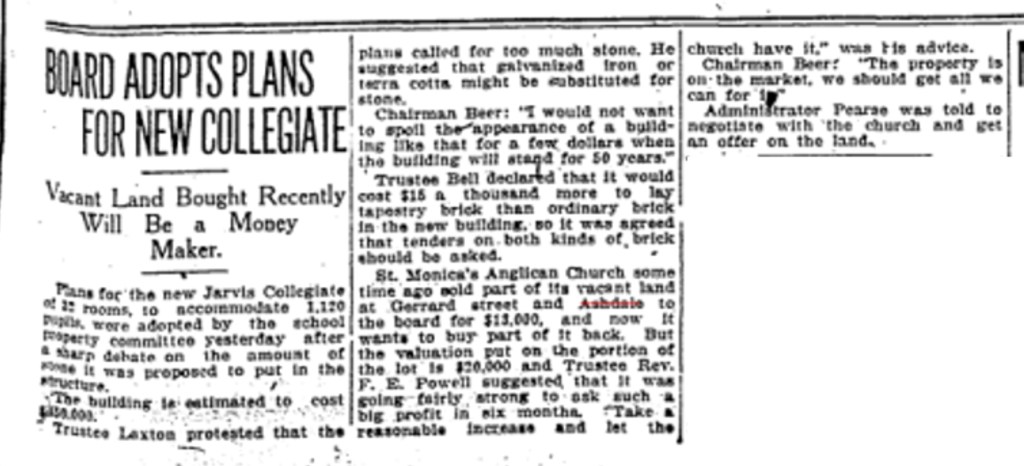
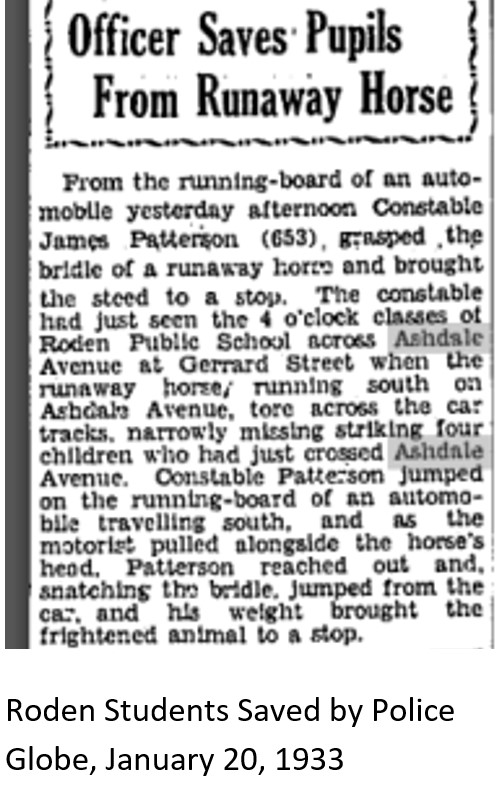
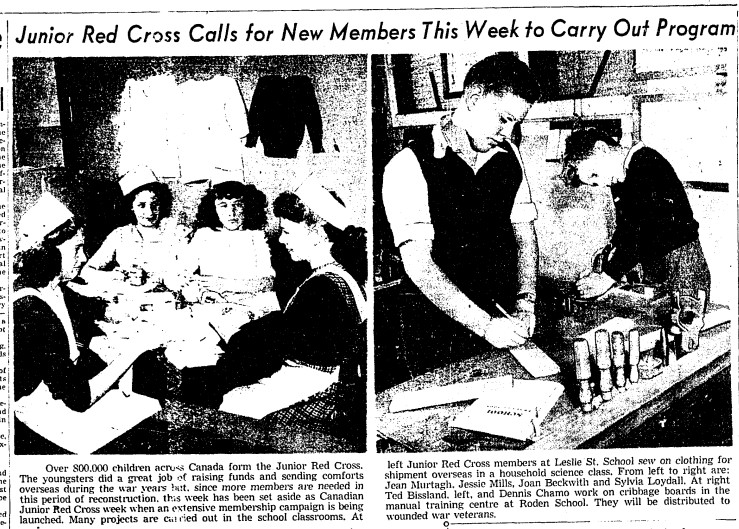
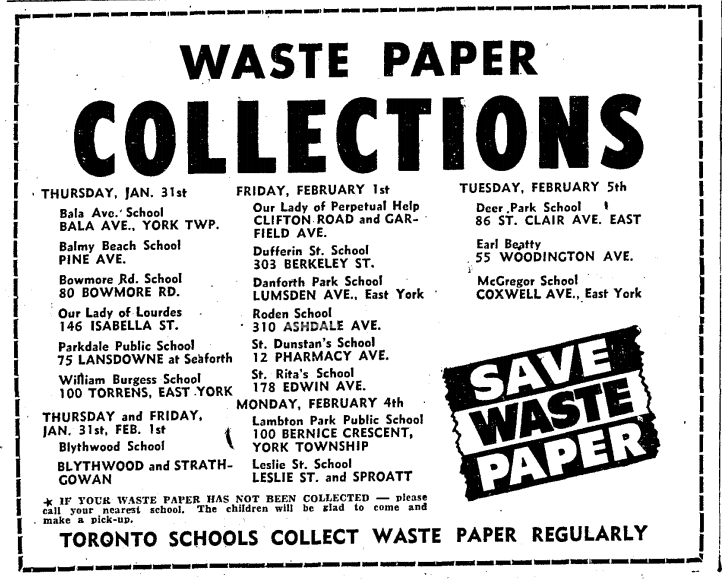
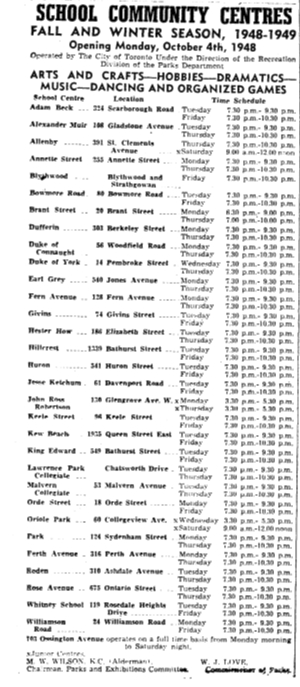
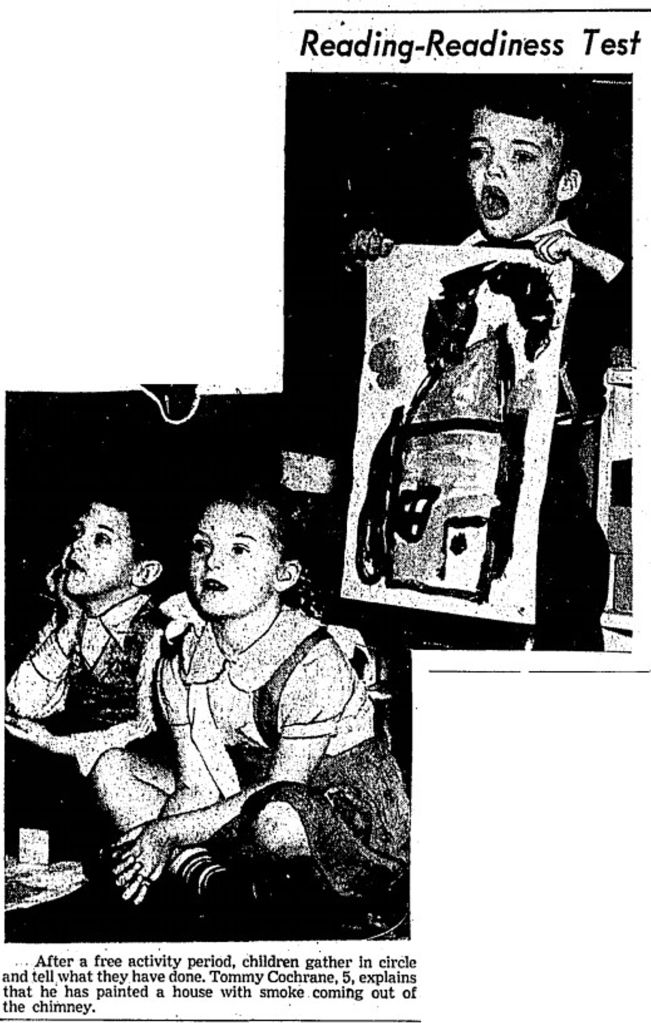
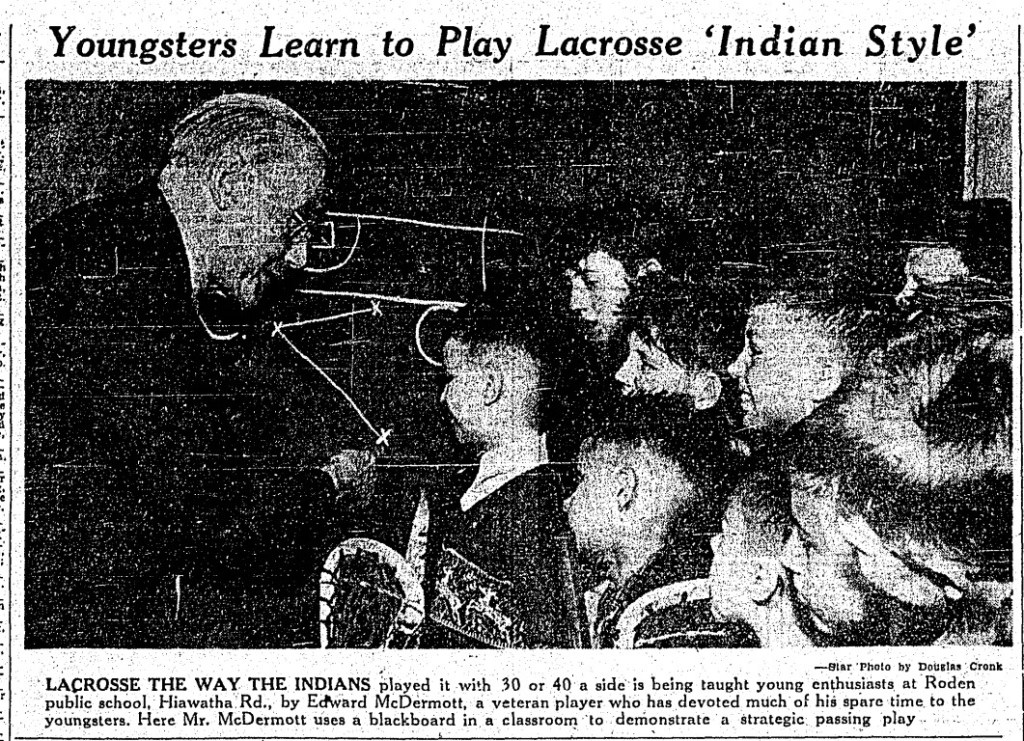
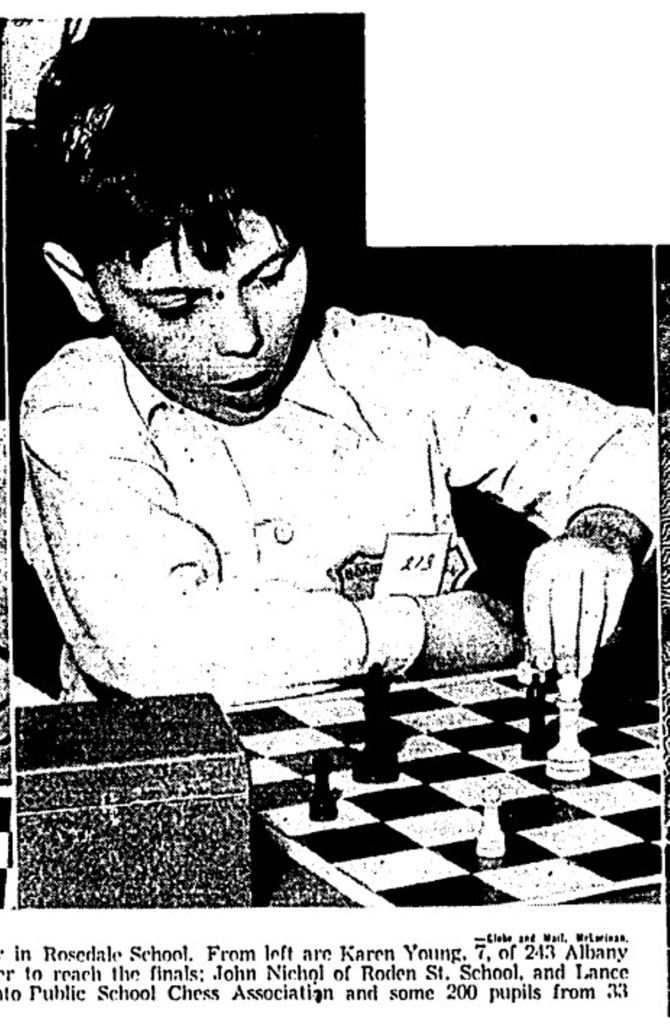
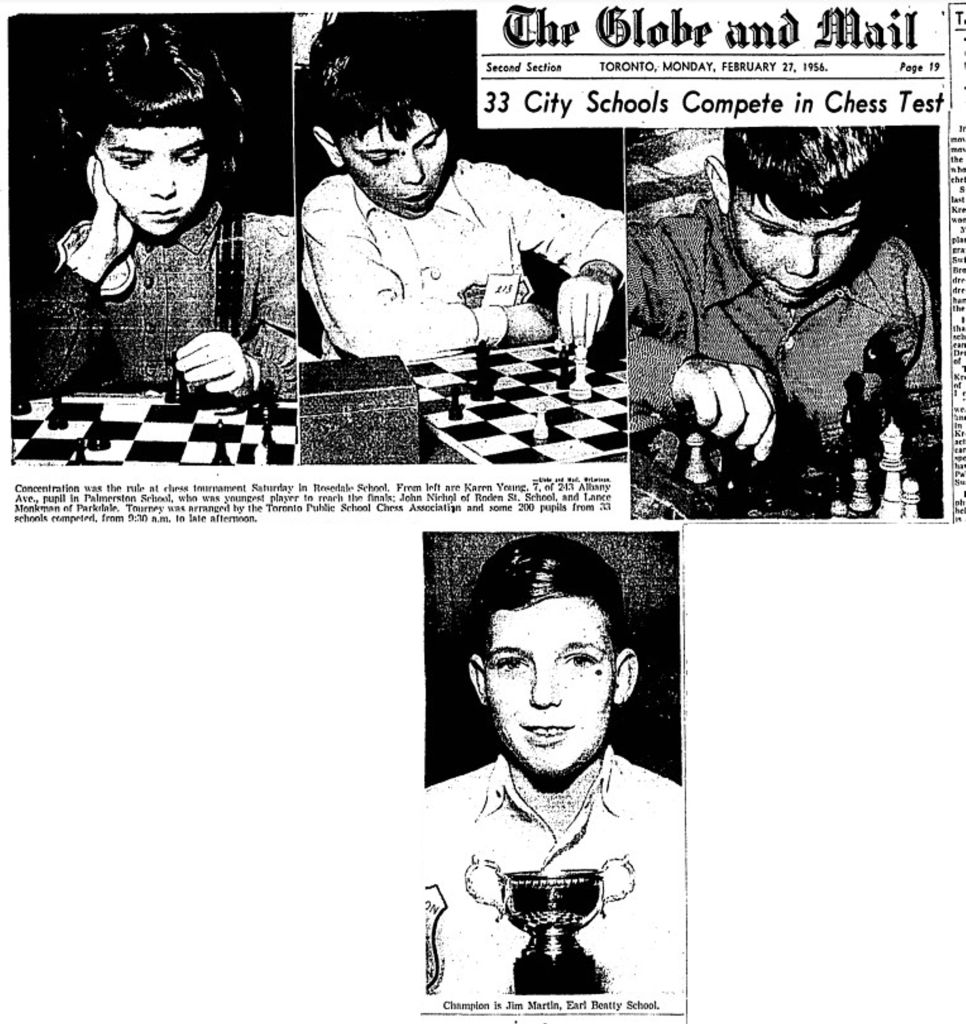
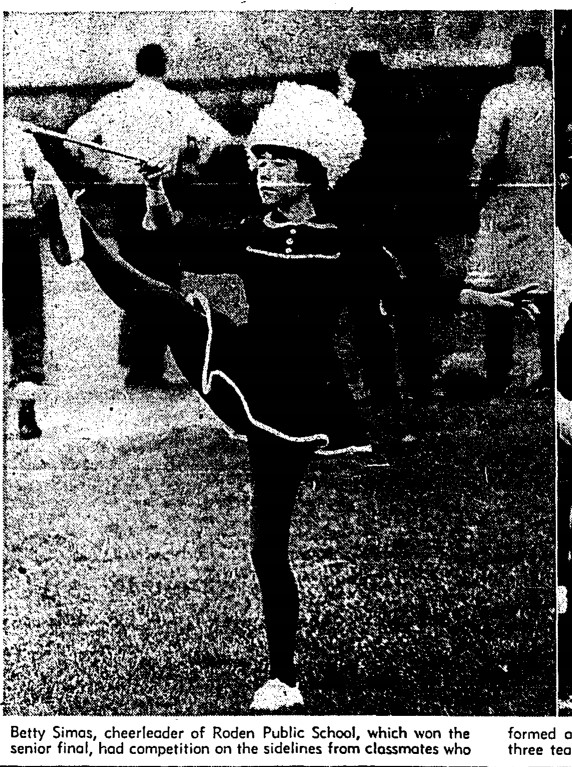
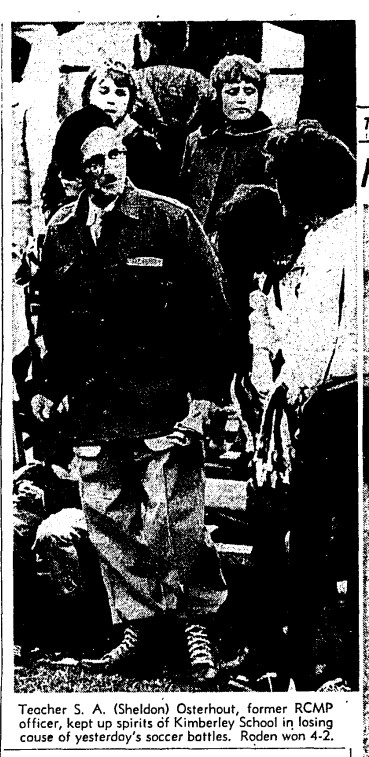
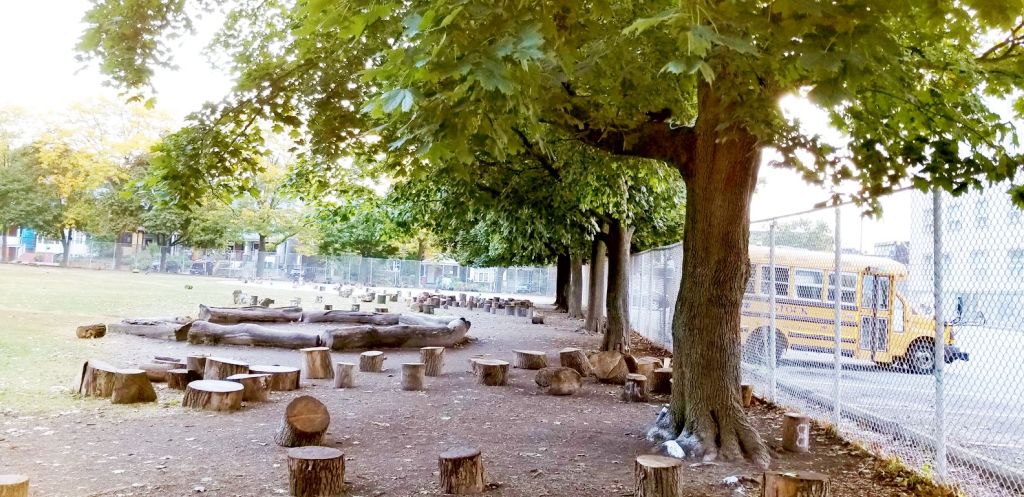
Addition to Roden School Globe, February 11, 1920Opening of Ashdale school, Windsor Star, January 13, 1908. In 1908 when the Ashdale School was built and opened, the area was not in the City of Toronto but in the Township of York. York Township appointed a woman as principal, probably saving money by doing so as female principals and teachers were paid a fraction of what men made teaching.Naming a school for Roden Toronto Star, 09 Dec 1909Midway Schools , Ashdale School renamed Roden in early January 1910, Globe, April 6, 19091910 CENTENNIAL STORY – THE BOARD OF EDUCATION FOR THE CITY OF TORONTO, 1850-1950 E P Roden ChairmanAshdale School renamed Roden, Globe, January 4, 1910Crap shoots Roden1910 Roden Public School, Ashdale Avenue, west side, north of Gerrard Street East, infant classRoden School undated1910 Midway Schools on water sewage, Toronto Star, February 19, 1910Principal Ashdale School Toronto Star, April 19, 1910 Principal Ashdale School Toronto Star, April 19, 1910 Principal Ashdale School Toronto Star, April 19, 1910 Principal Ashdale School Toronto Star, April 19, 1910 Principal Ashdale School Toronto Star, April 19, 1910 Principal Ashdale School Toronto Star, April 19, 1910 Principal Ashdale School Toronto Star, April 19, 1910 Principal Ashdale School Toronto Star, April 19, 1910 Roden Public School, Ashdale Avenue, west side, north of Gerrard Street East, infant class, 1911 TPLOvercrowding Roden School, Toronto Star, March 29, 1911Permit for new Roden school building, Globe, June 2, 1911Roden School, Globe, September 5, 1911Roden District Ratepayers Formed, Toronto Star, February 14, 1919Roden District Ratepayers Formed, Toronto Star, February 14, 1919Athletic grounds & playgrounds Toronto Star, March 5, 1919 Athletic grounds & playgrounds Toronto Star, March 5, 1919 Athletic grounds & playgrounds Toronto Star, March 5, 1919 Roden School, 310 Ashdale Avenue — playground – June 16, 1919Addition to Roden School Globe, February 11, 1920Roden School 310 Ashdale Ave playground, June 16, 1919 Roden School, 310 Ashdale Avenue — playground – June 16, 1919Addition to Roden School Globe, February 11, 1920Evening classes Roden Toronto Star, September 30, 1921Property bought for Roden School sold to library, Toronto Star, Jan. 27, 1922Roden Students Saved by Police, Globe, November, 1933Roden Students Saved by Police, Globe, January 20, 1933 Roden School Helps Bomb Victims, Toronto Star, March 7, 1942Roden student, Globe and Mail, October 1, 1946Waste paper, Roden School, Toronto Star, January 31, 1946Roden School Community Centre, Toronto Star, October 1, 1948Roden students Globe and Mail, November 24, 1949Roden students Globe and Mail, November 24, 1949Roden students Globe and Mail, November 24, 1949Roden students Globe and Mail, November 24, 1949Roden students Globe and Mail, November 24, 1949 Playing Baseball Roden Schoolyard 1950s, photo by Robert WakelinRoden Avenue Grade 3, 1950sLacrosse, Roden School, Toronto Star, April 5, 1951Fans Run Interference,, Globe and Mail, October 30, 1962City Schools Compete in Chess Test, Globe and Mail, February 27, 1956City Schools Compete in Chess Test, Globe and Mail, February 27, 1956Fans Run Interference,, Globe and Mail, October 30, 1962Fans Run Interference,, Globe and Mail, October 30, 1962Fans Run Interference,, Globe and Mail, October 30, 1962Fans Run Interference,, Globe and Mail, October 30, 1962Fans Run Interference,, Globe and Mail, October 30, 1962Fans Run Interference,, Globe and Mail, October 30, 1962Schools obsolete (Roden), Toronto Star, July 23, 1968Free furniture, Roden School, Toronto Star, July 4, 1970Free furniture, Roden School, Toronto Star, July 4, 1970Free furniture, Roden School, Toronto Star, July 4, 1970Free furniture, Roden School, Toronto Star, July 4, 1970Roden schoolyard in winter, January 1, 2010 by Joanne DoucetteSchoolyard Roden and Equinox Schools September 29, 2020 (COVID classrooms with social distancing outside)2021 Orange shirts Roden School, September 30, 2021, by J. Doucette2025 Plaque Roden School
The brickmakers of the area were a tightly-knit group, intermarried and mostly Methodist by faith. Many, like the Prices, came from Bridgwater in Somerset, England. The Prices married into the Simpson family as well as the Kerrs and Billings.
Simpson Brick ad, The Canadian Courier Vol. I No. 10 (February 1907)
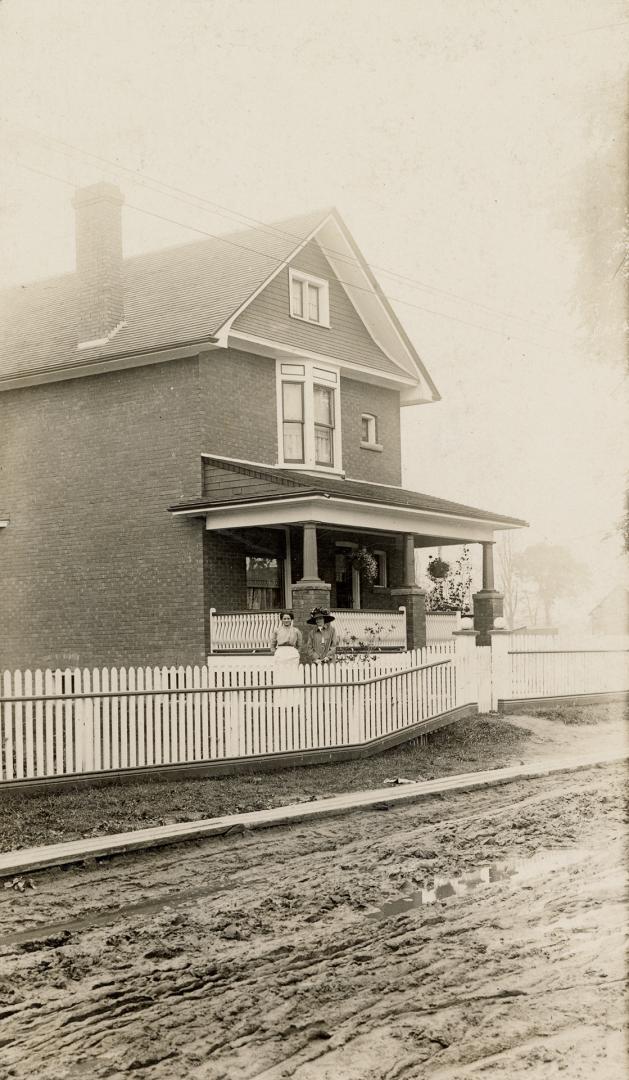
When Lilia Lyla Billingsley Reed was born on December 21, 1890, in Todmorden, East York, Ontario, her father, Henry, was 30, and her mother, Mary, was 29. They were market gardeners. She married Frederick Simpson Price on July 7, 1910, in Toronto, Ontario. He was a brick manufacturer and built a sturdy Edwardian classic style home for his wife at 666 Greenwood Avenue, no longer standing.
House on Greenwood Avenue, One of the ladies is Lyla Price. ca 1910
Frederick Simpson Price passed away in 1949. Lyla became a nurse and lived near other Prices on Logan Avenue (the Logans were also brickmakers). She died on June 1, 1971, at the age of 80 and like so many from Midway, is buried in St. John Norway Cemetery.
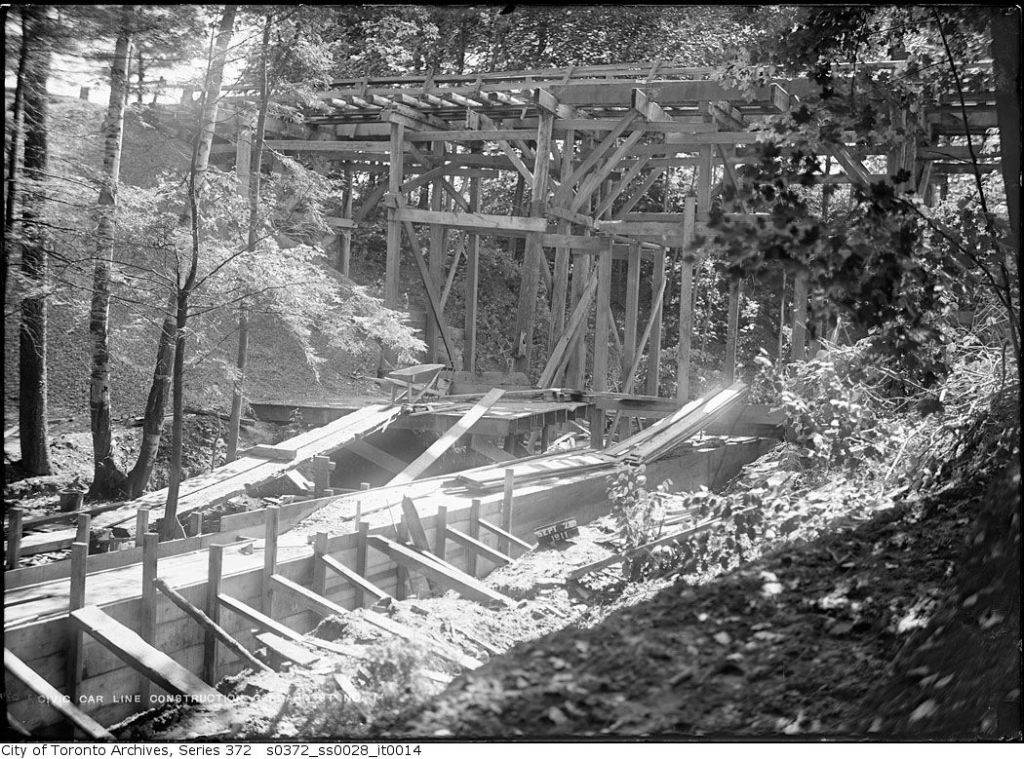
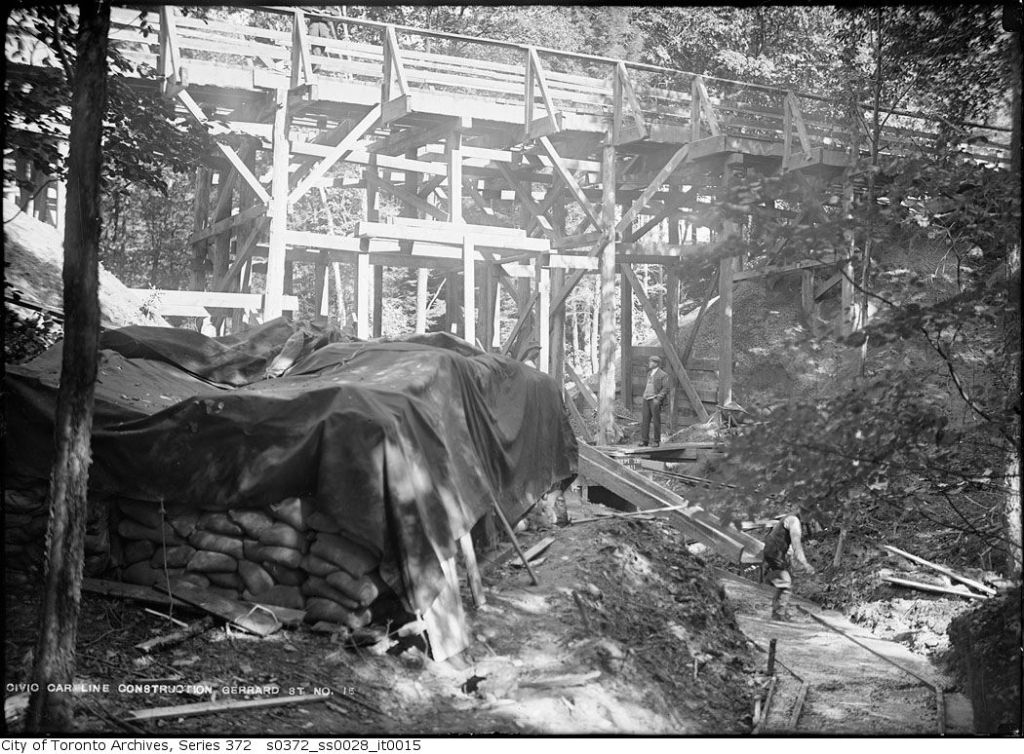
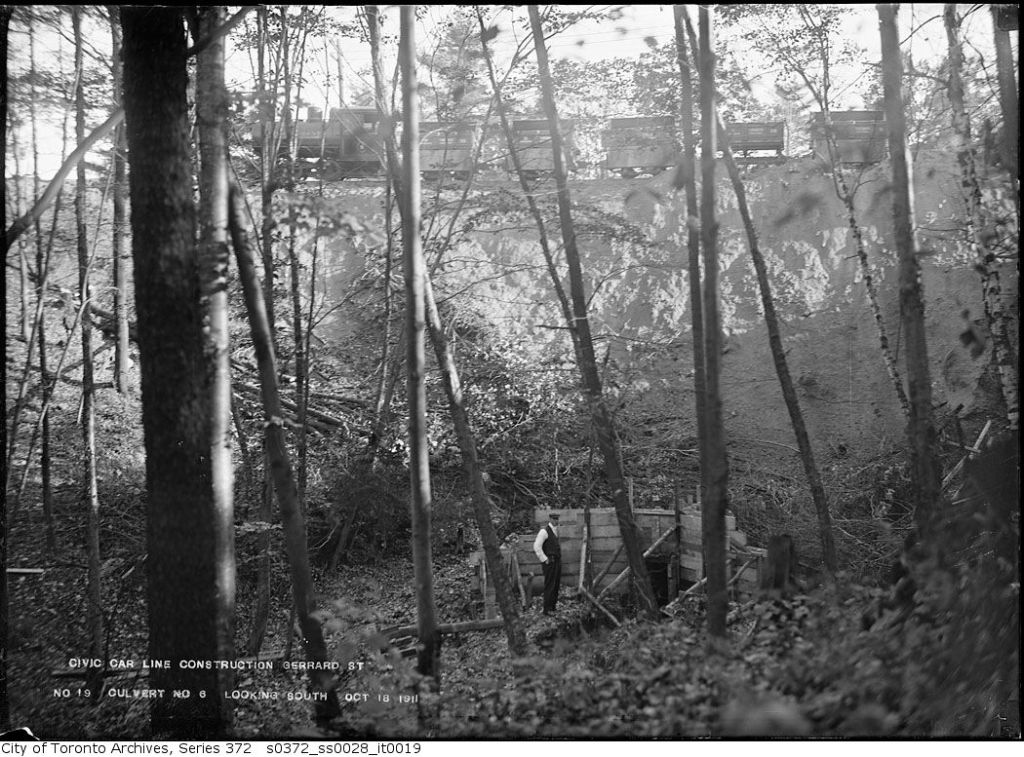
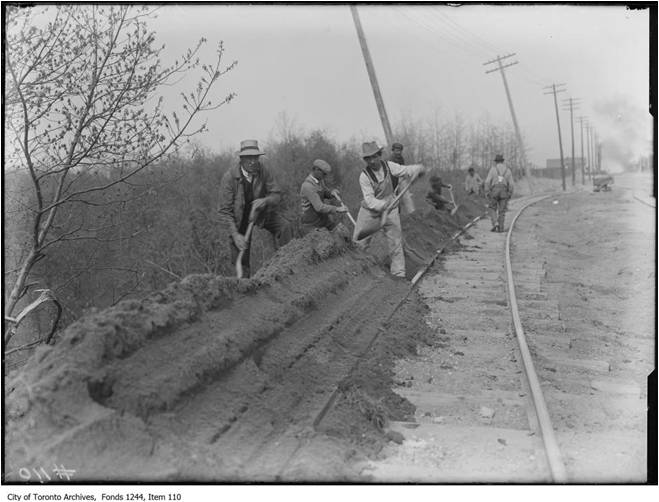
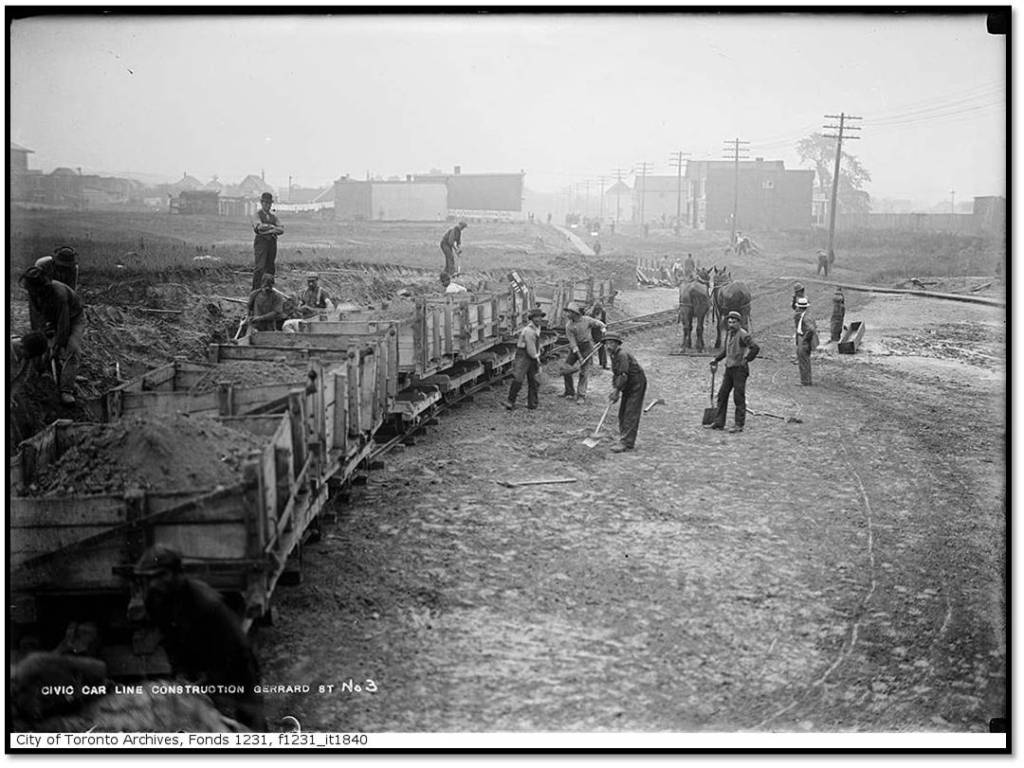
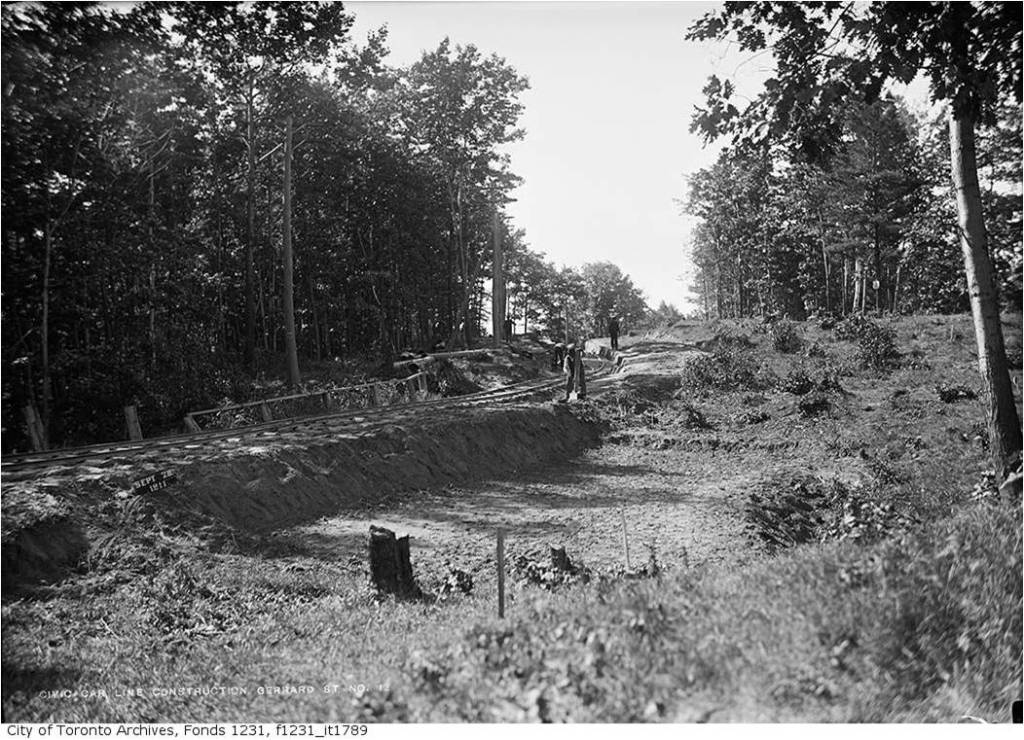
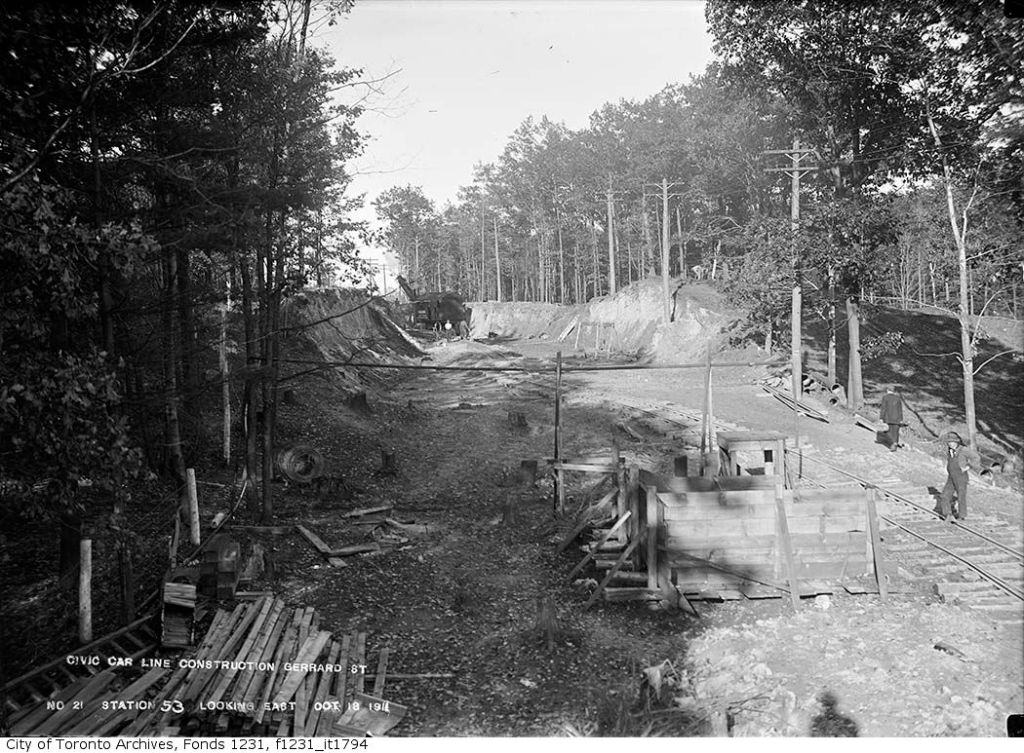
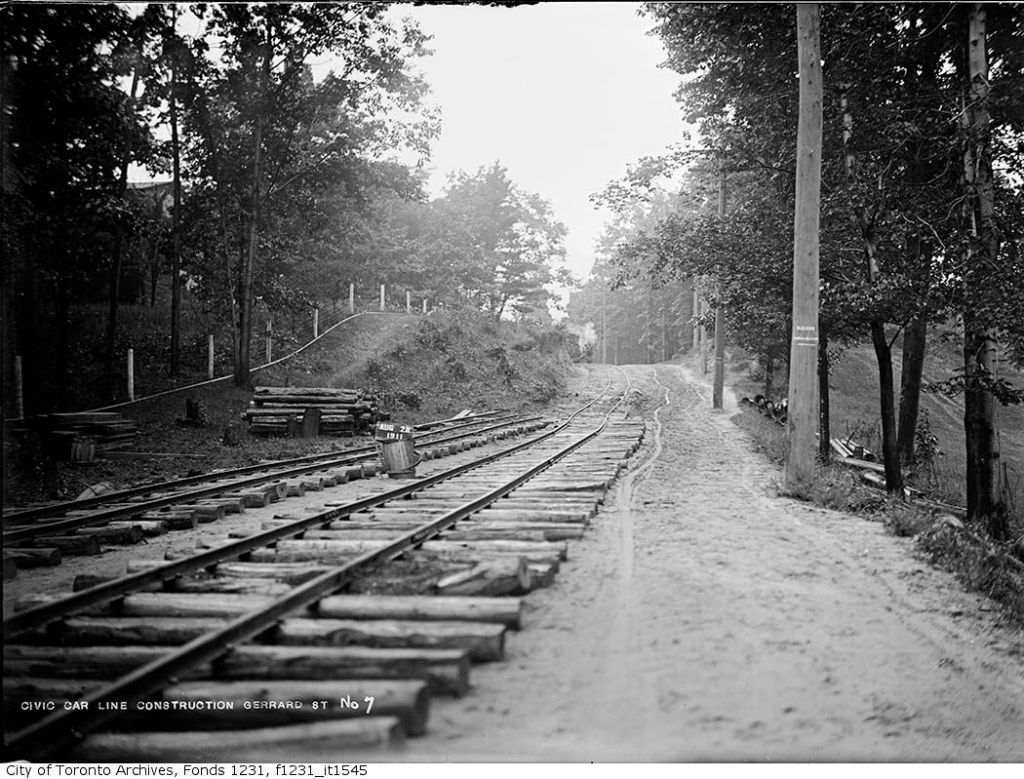
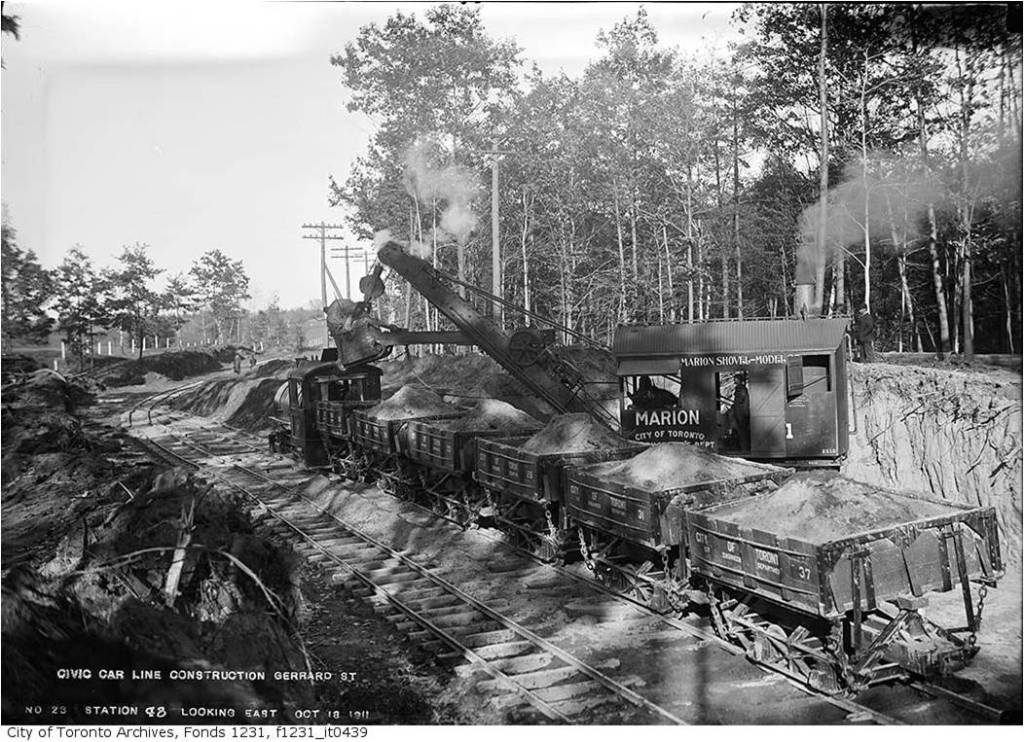
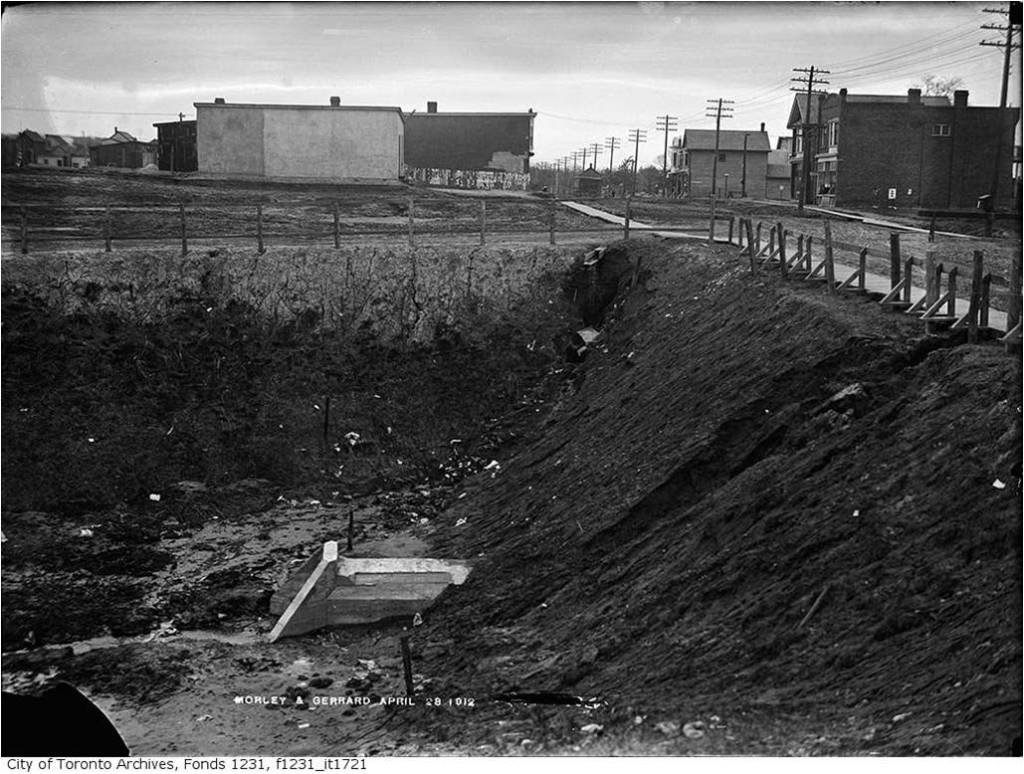
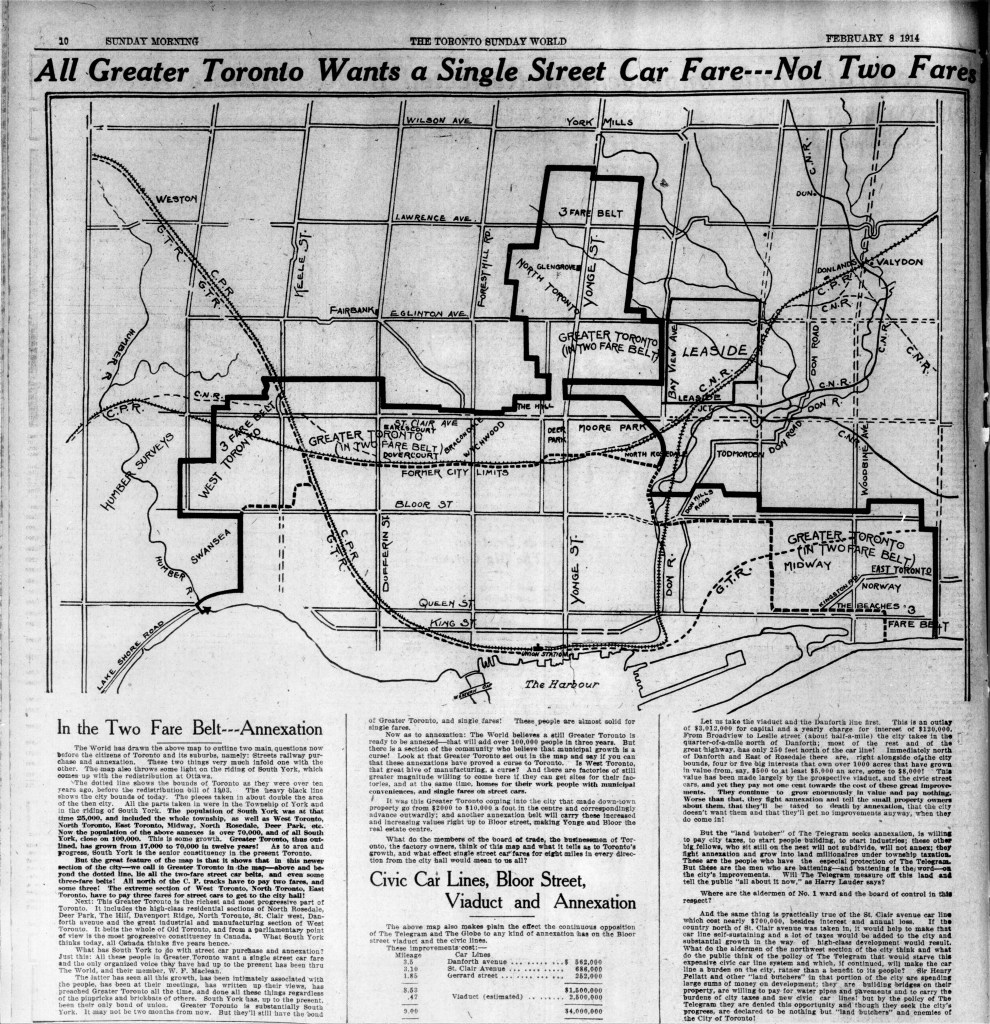
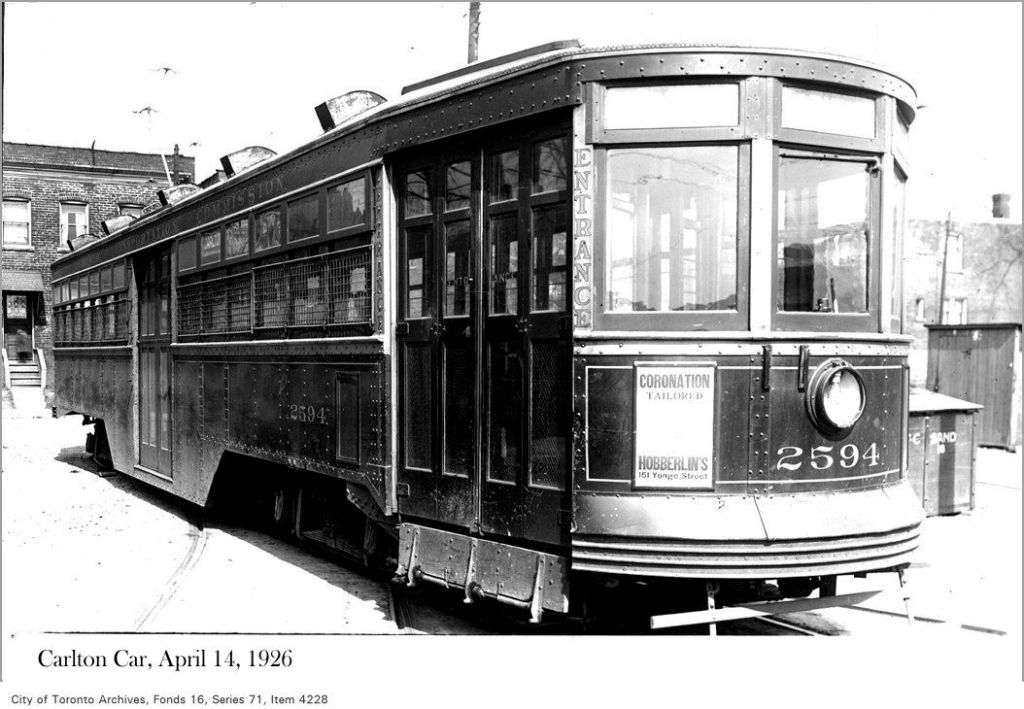
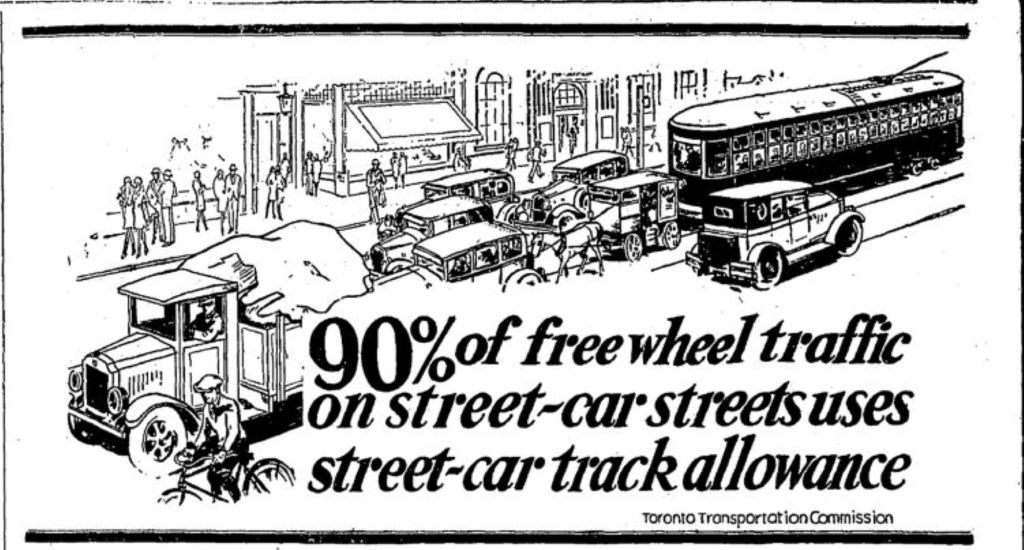
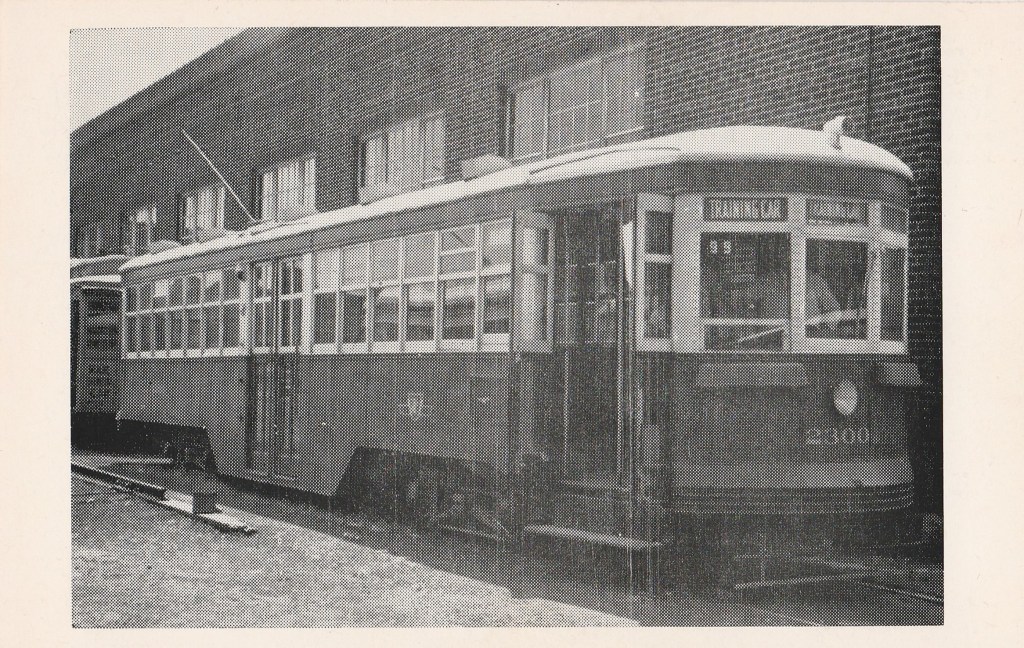
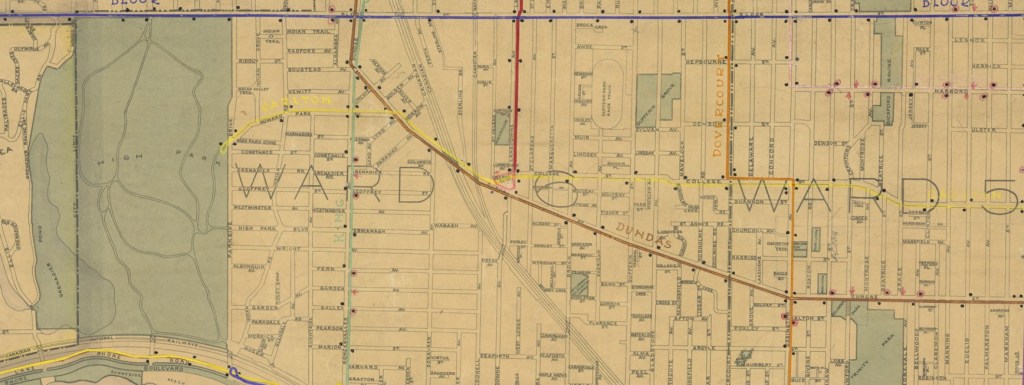
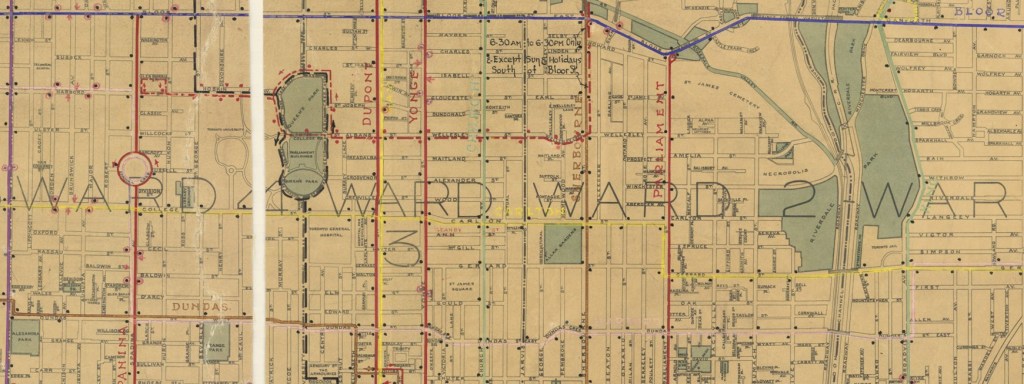
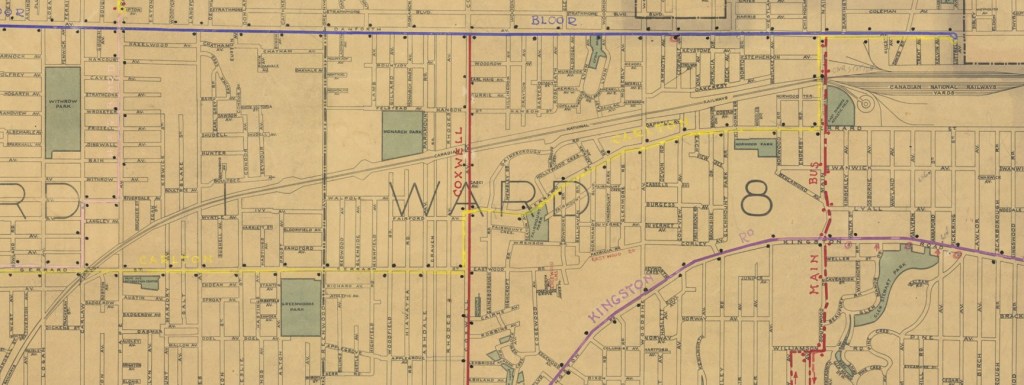
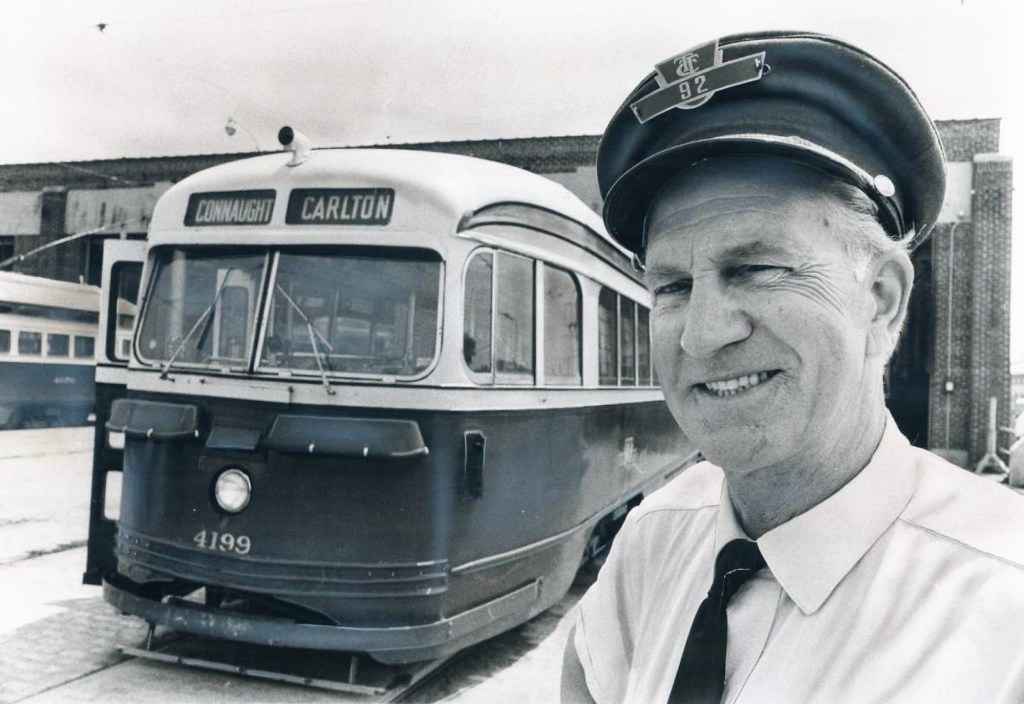
Streetcar on fire Upper Gerrard, Toronto Star, Feb. 9, 1918Building the Gerrard Street Car line, 1911Building the Gerrard Street Car line, 1911Building the Gerrard Street Car line, 1911Building the Gerrard Street Car line, 1911Building the Gerrard Street Car line, 1911Building the Gerrard Street Car line, 1911Building the Gerrard Street Car line, 1911Building the Gerrard Street Car line, 1911Building the Gerrard Street Car line, 1911Building the Gerrard Street Car line, 1911Building the Gerrard Street Car line, 1911Building the Gerrard Street Car line, 1911Building the Gerrard Street Car line, 1911Building the Gerrard Street Car line, 1911Building the Gerrard Street Car line, 1911Gerrard car line construction, Toronto Star, November 16, 1911Route and Car barns, Toronto Star, December 11, 1912Ticket, Civic car line, Toronto Star, December 19, 1912Toronto Civic Railways Car No. 3 – February 24, 1913One fare system, Civic Streetcars, Toronto Sunday World, February 8, 1914New streetcars, Globe, Aug. 17 1922Carlton Car, April 14, 1926TTC Advertisement, Globe, June 26, 1928Toronto’s first Peter Witt, 2300, at the TTC’s Hillcrest Shops in July 1960 (front)Route of Carlton Streetcar, 1934Route of Carlton Streetcar, 1934Route of Carlton Streetcar, 1934Carlton car at High Park loop, postcard, collection of Joanne DoucetteThe oldest streetcar in service in Toronto is 31-year-old Car 4199, July 29, 1971 by Bob Olsen 2017 Greenwood and Gerrard photo by J Doucette
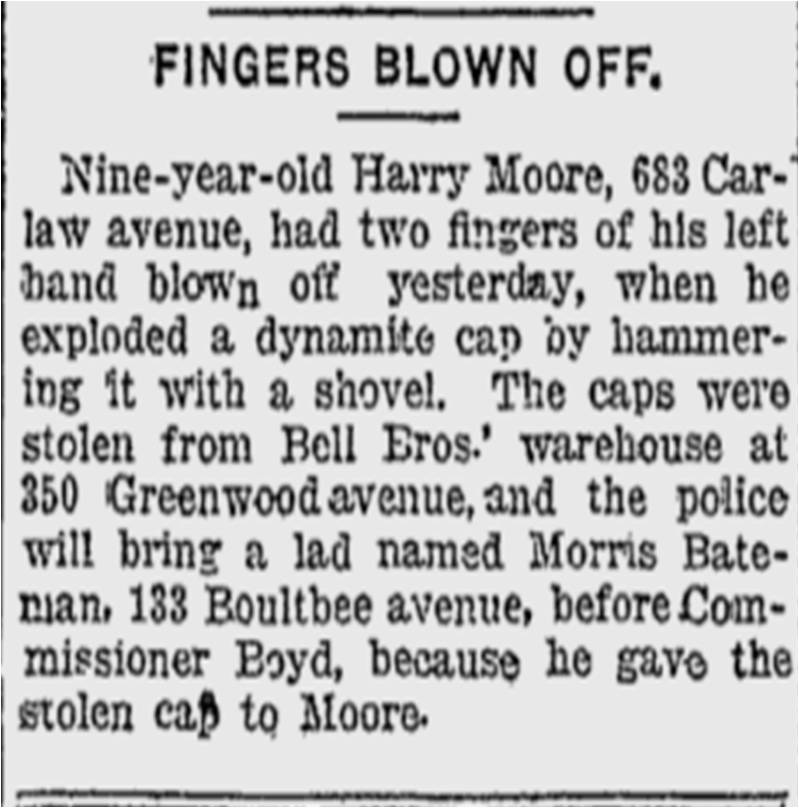
Harry Moore, 688 Carlaw Ave, Playing with blasting caps, Toronto World, February 8, 1915
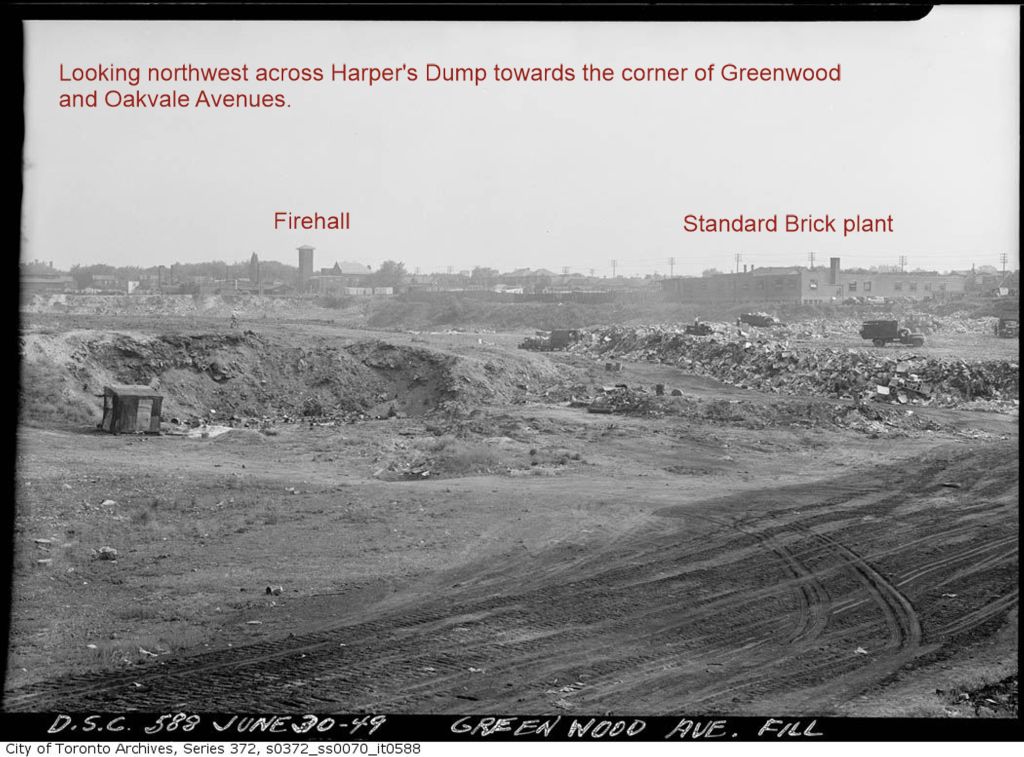
1930 By the 1930s, a combination of increased demand for bricks and mechanization of the brickmaking process depleted the brickfields. The only brickyard left operating was Price’s yard at 395 Greenwood Avenue. It became the Toronto Brick Company and closed in the 1950s. Torbrick Road, though a housing project, sits on the site of the yard.[1] The derelict brickyards became subdivisions, schools and parks. Morley’s brickyard became Greenwood Park. The Wagstaff brickyard on Ashbridges’ Creek south of Felstead later was filled in and became Monarch Park. Felstead Park was also a brickyard. The playing field of St. Patrick Catholic Secondary School is also a rehabilitated quarry. Another Brickyard became first Harper’s Dump and then the Greenwood Subway Yards. Manufacturers used other brickyards for factories.[2]
[1] Myrvold, Barbara. The Danforth in Pictures: A Brief History of the Danforth. Toronto: Toronto Public Library, 1979, 17.
[2] Myrvold, Barbara. The Danforth in Pictures: Avenue Brief History of the Danforth. Toronto: Toronto Public Library, 1979, 17.
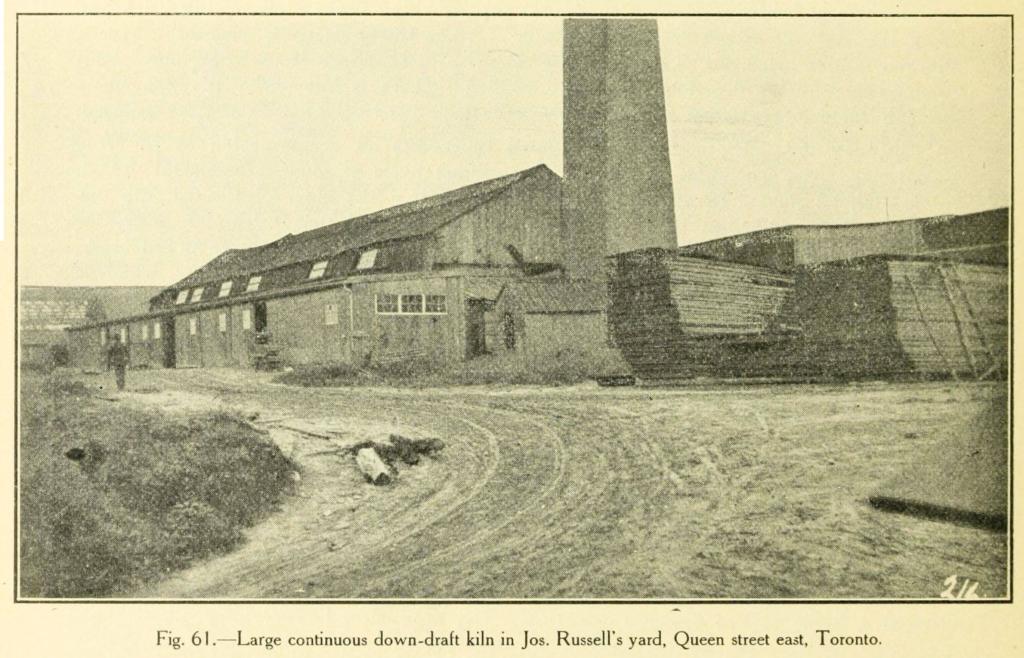
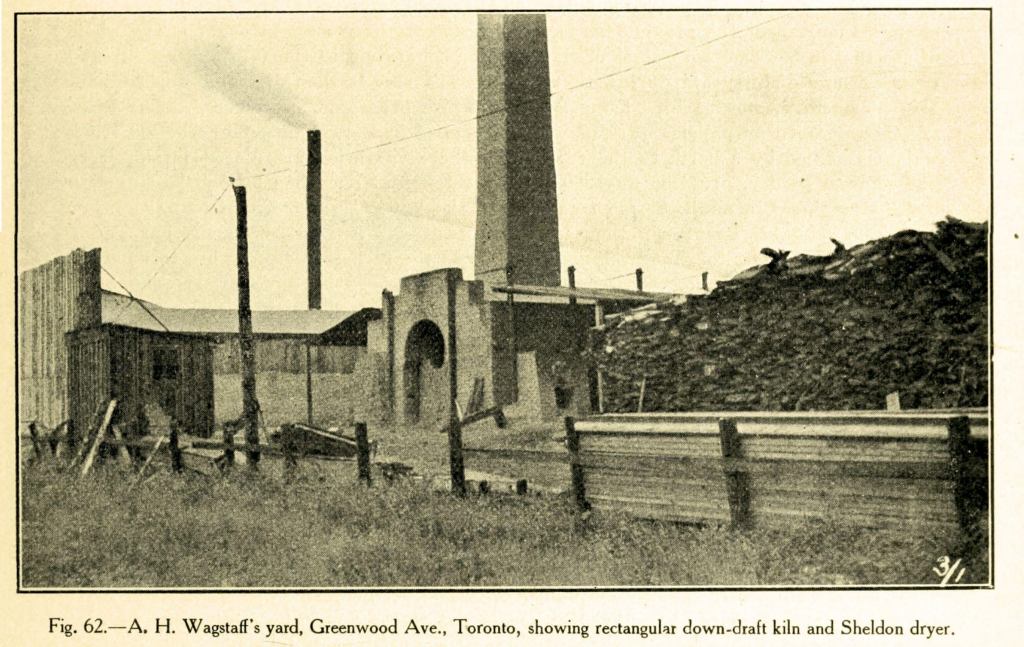
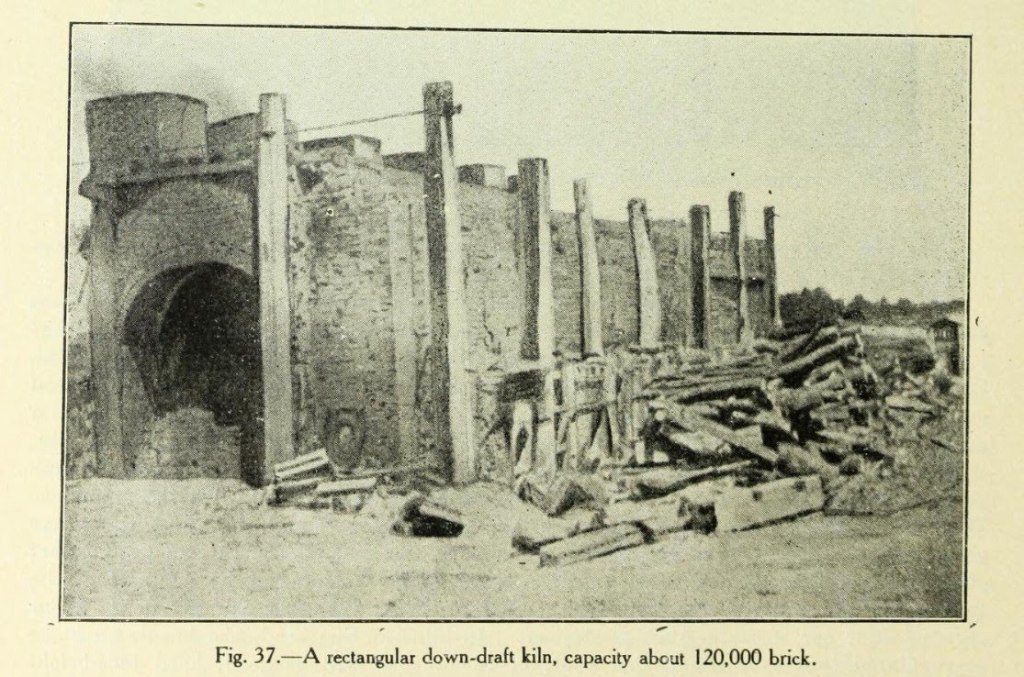
Brickyards (outlined in red) from a 1947 City of Toronto aerial photo1953 Aerial photo of the brickyards and claypitsClay and the clay industry of Ontario 1906 Russell large kiln, this was near the northeast corner of Greenwood Avenue and Gerrard Street eastClay and the clay industry of Ontario 1906 Wagstaff brick plant on Wagstaff driving (still standing, home to the Leftfield Brewery, Soul Chocolate, and more)Clay and the clay industry of Ontario 1906. This was the downdraft kiln that was used in local brick manufacturing plants. The last ones still standing in the area are on Wagstaff Drive.
Professor Coleman on the clay deposits:
The extent of these deposits has not yet been worked out in detail, though the lower stratified clay was apparently widespread. Twenty feet of clay very like it, containing thin layers of peaty matter, may be seen on the shore of Lake Ontario four miles to the east of Highland Creek, here also covered by a bed of till. Exactly similar clay occurs about four miles to the northwest of Victoria Park in the brickyards of Messrs. Price and Logan. The exposures are excellent, one presenting a face of sixty feet; and the top of the clay, which rises about one hundred feet above Lake Ontario, is covered with a few feet of stratified sand. One finds the greenish plate-like concretions, and peaty matter containing mosses, pieces of bark and wood, elytra of beetles, flakes of mica, etc., just as at Scarboro’. The layer of till is wanting at these brickyards, but is found a few hundred yards farther north near the corner of Danforth avenue and Greenwood lane.
Coleman, A.P. Glacial and Inter-Glacial Deposits Near Toronto,Photograph. A.P. Coleman. Price’s Brickyard (Toronto). 1924 ROM Archives. A.P. Coleman Collection Reprinted from The Journal of Geology, Volume III , Number 6 September-October, 1895. Chicago: The University of Chicago Press, p. 631.
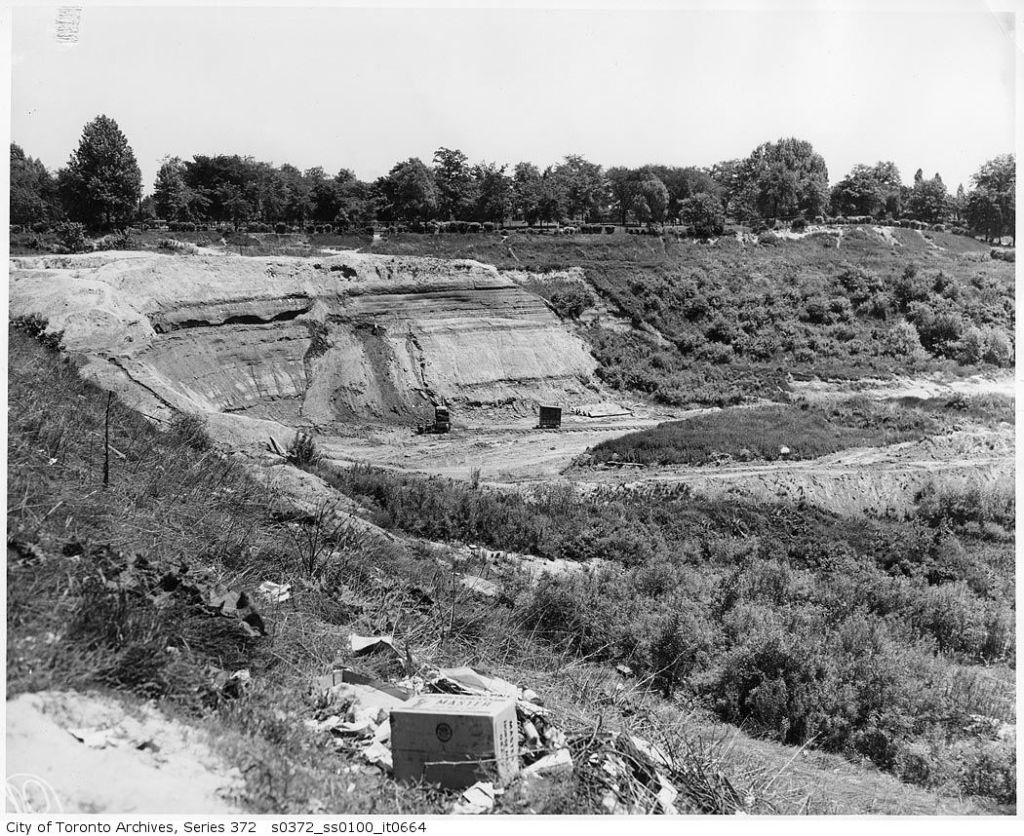
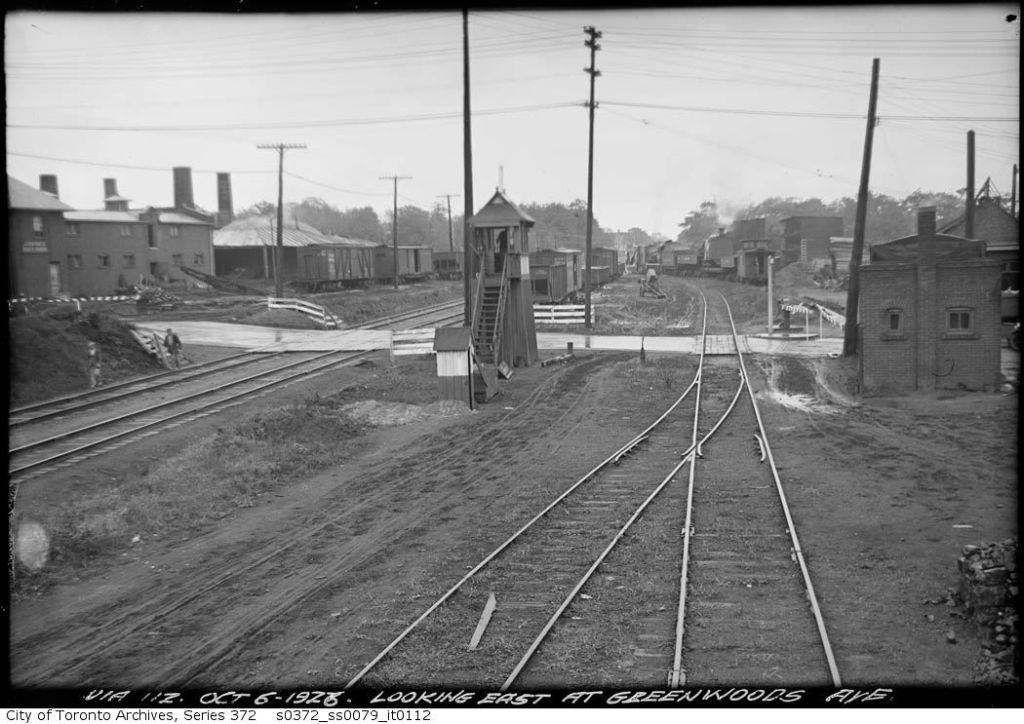
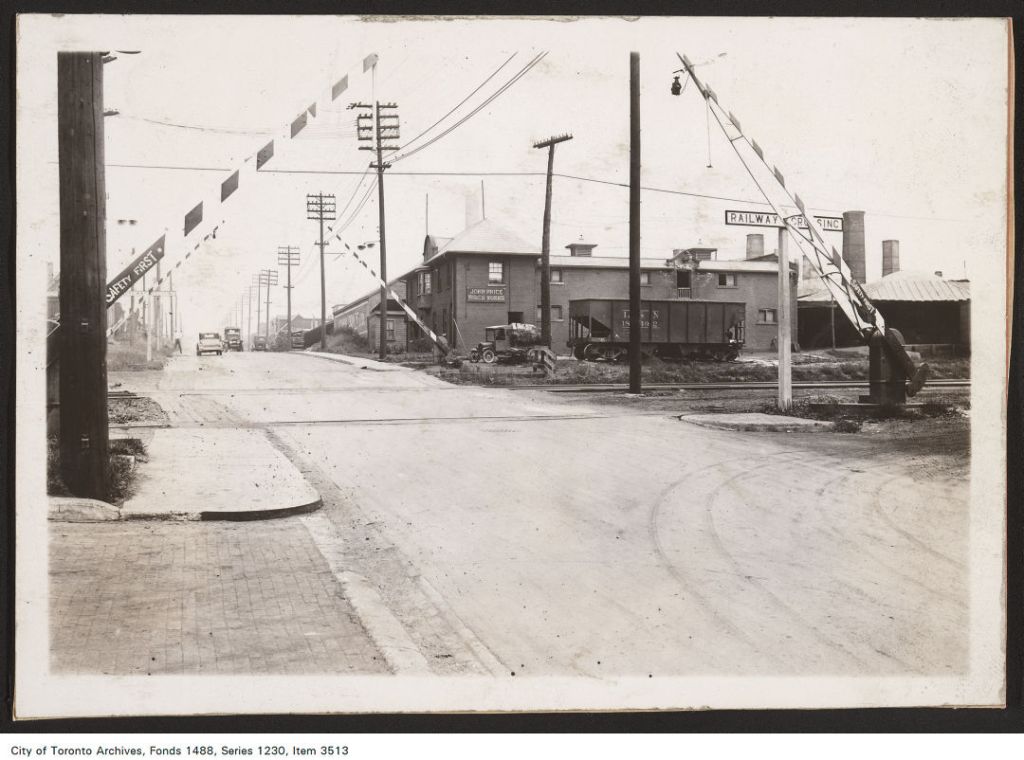
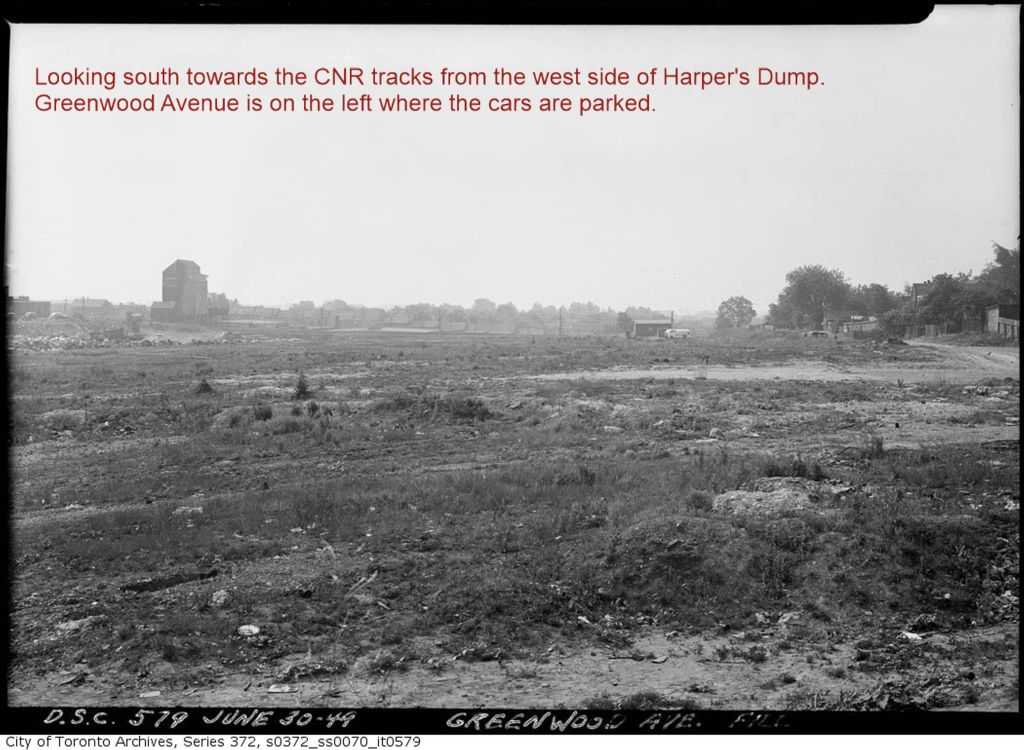
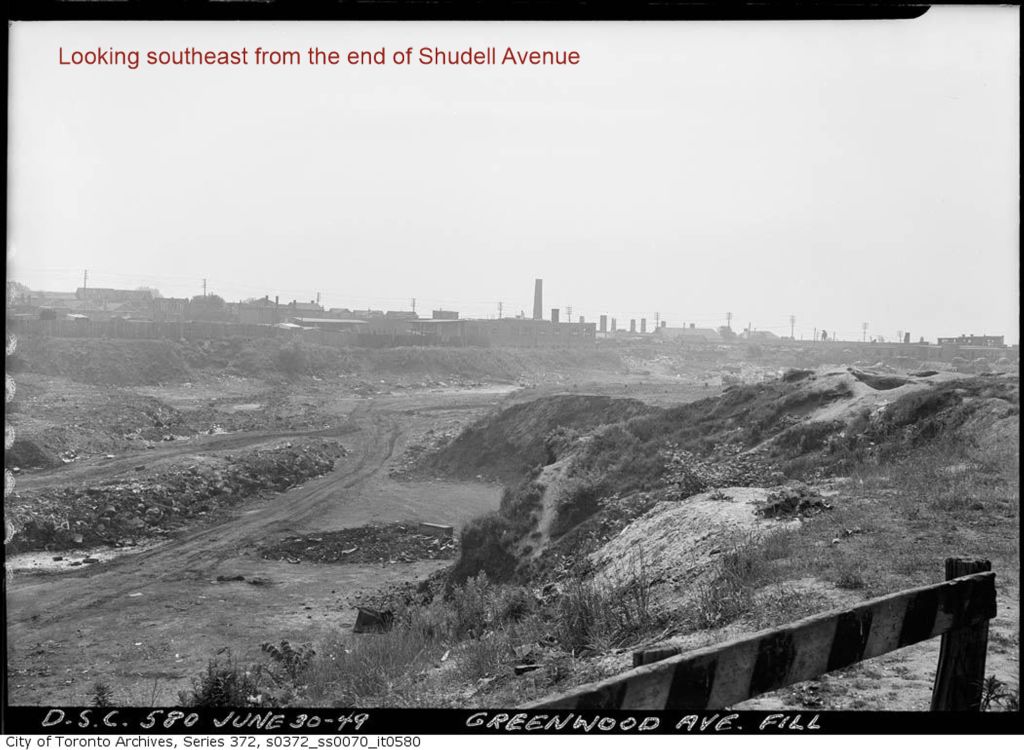
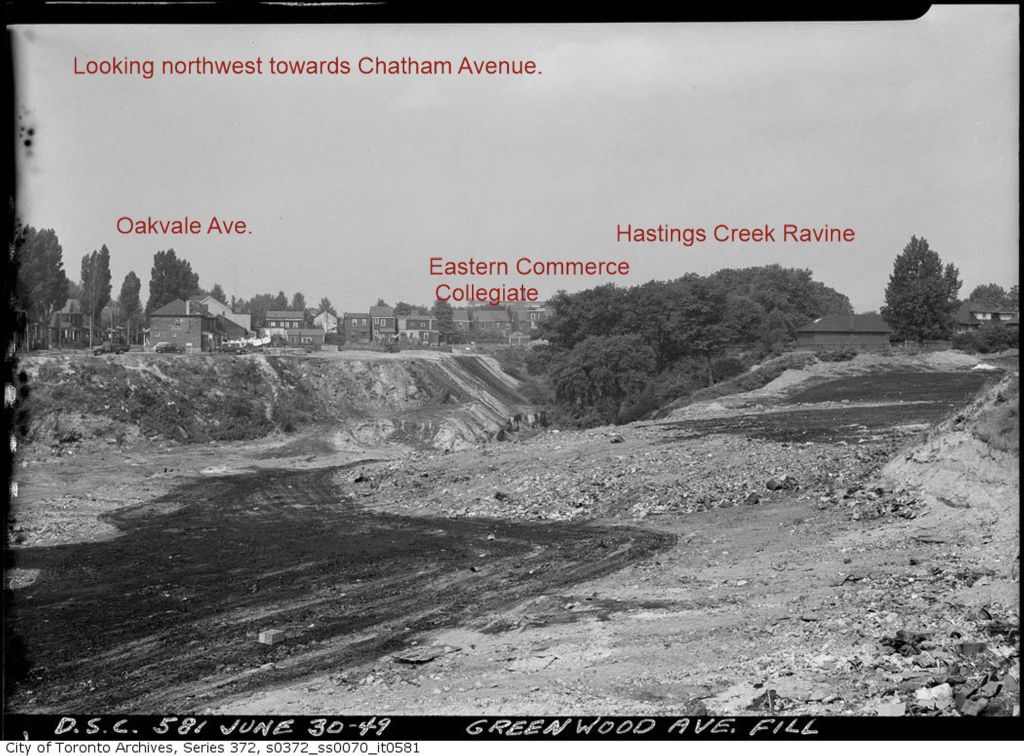
Street Cleaning Department – Toronto Brick Fill ca 1950sLooking east along the rail lines at Greenwood Avenue level crossing. John Price’s Brick is on the left, north of the tracks.Item is a photograph of a potential billboard location adjacent to John Price Limited Brick Works.Aerial View looking west across Greenwood Avenue 1965Greenwood Avenue fill – June 30, 1949Greenwood Avenue fill – June 30, 1949Greenwood Avenue fill – June 30, 1949Greenwood Avenue fill – June 30, 1949Greenwood Avenue fill – June 30, 1949Greenwood Avenue fill – June 30, 1949Greenwood Avenue fill – June 30, 1949Greenwood Avenue fill – June 30, 1949Greenwood Avenue fill – June 30, 1949Greenwood Avenue fill – June 30, 1949Greenwood Avenue fill – June 30, 1949Toronto Brick Company and Quarry, 1958
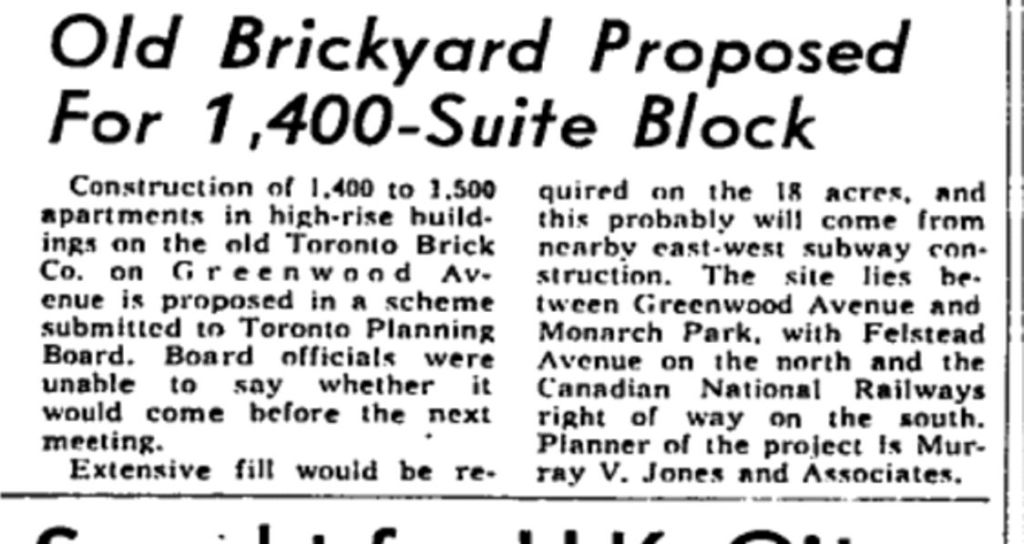
1965 The Toronto Planning Board approved a 1,404-suite apartment and town house complex on the site of an old brickyard on Greenwood avenue. Nine apartment buildings from 9 to 22 storeys and five clusters of townhouses were approved along with a small shopping mall. Torbrick Investments Ltd. were asked to buy up the remaining Greenwood Avenue properties adjoining the site. The Board also wanted some kind of central heating plant to supply heat for all the buildings and thereby reduce pollution. The CN tracks bordered the south end of the site. Therefore, the planners also wanted an earth berm between the tracks and the buildings to reduce noise. The site was a 16-acre brickyard, on the east side of Greenwood Avenue, south of Felstead Avenue.[1] Local residents protested against the proposed apartment and townhouse complex in the old Torbrick yard on the east side of Greenwood Avenue, fearing that the increased demand on local schools and recreational facilities, and the growth in traffic would cause problems. Residents of Felstead and Greenwood Avenues went to the City Building and Development Committee to air their concern. They wanted the developer to provide a pool and rink because local playgrounds were already too crowded. They were also concerned about possible damage to their properties from pile driving, as had happened when the Greenwood subway yards were built.[2] The City of Toronto Board of Control approved zoning changes to allow a high-rise and town house complex in the old Price brickyard at Greenwood and Felstead. The developer had to consider heating all the buildings from one plant; acquire houses on Greenwood Avenue to increase park, and built a pedestrian path to provide access to Monarch Park. 5 per cent of the 18 acre development had to be a park.[3]
Apartments to be built on the old Torbrick (John Price Brickyard), Globe and Mail, October 30, 1964
1845 John Price was born in Somersetshire, England, son of William and Jane (Manchip) Price. His family, like the Morleys, were brickmakers for generations. He learned the business from childhood.[1]
1869 James Price, brick manufacturer, Leslie Street, was English and trained to be a brickmaker there. He came to Canada in 1869.[2]
1869 John Price came to Canada and become a farmer, but it wasn’t long before he became a brickmaker again. His first work as a brickmaker here was for William Plant, whose brickyard was at the foot of Niagara Street near the city’s abattoir. Plant and Price then made sewer pipe for a year, under the name of Plant and Price.
1870 John Price became manager for Lucas Bros., brickmakers, for two years.
1872 John Price went into partnership with John Lucas. The firm of Price and Lucas went on for six years until 1878.
1874 John Price went to visit England and returned with a wife — Jane Powell. They had the following children: George Powell (who married Emma Kerr), Isabella, Albert and Harold; Charles; Harry; Louisa (Lucy); and Susie Jane. The family was Methodist.[3]
1878 The firm of Price and Lucas dissolved. John Price joined with others to found the Price & Co. brick manufacturers on Greenwood Avenue. It grew into one of the biggest in Canada with a reputation for an excellent facing brick: “the John Price”, still in demand today though hard to obtain. Soft-mud “John Price reds” were made by tempering a clay-sand mixture with up to 30 per cent water. John Price used the Martin brick machine which had 20 steel knives on a vertical shaft that pushed the clay down. Wipers mounted on this vertical shaft pressed the clay into a “press box”. A plunger forced the clay into a five-brick mould, filling it completely. Then it was ejected and an empty mould put in the machine. A Martin machine could make up to 3,000 bricks an hour. A filled mold was ejected as an empty freshly sanded mold was inserted. Small amounts of borax, ferro-red or manganese dioxide were added to the sand, as required, to produce the desired colour. The machine could produce up to 3m000 brick per hour, but usually production was in the vicinity of 2400 bricks per hour. John Price bricks, like the other Bricktowne bricks, were made in Ontario Size (2-3/8″h x 4″d x 8-3/8″l), different from brick sizes anywhere else in the world.
The 1878 brickyard employed about eight to ten men and had an output of 10,000 bricks a day. Horses were used to power the equipment. Price enlarged the yard until he turned out 43,000 bricks per day and employed over 40 men.
1884 John Price bought out the other investors and took control of the business.
1885 he employed eight to 10 men and made 800,000 to 900,000 bricks annually.
1916 John Price died May 27, 1916 and is buried in St. James Cemetery.
1928 The Brandon Brick Company of Milton, Ontario, and the John Price Brickyard on Greenwood Avenue amalgamated to form the “Toronto Brick Company”.
1956 United Ceramics Limited of Germany acquired the Toronto Brick Company, closing the Greenwood Avenue brickyard, the Leslieville area’s last brickyard.
1962 The Toronto Brick Company relocated the Parkhill Martin Brick Machine from the former John Price Brickyard to the Don Valley Brickworks to make soft-mud bricks for the “antique” brick market.[4]
[1] Commemorative Biographical Record Of The County Of York Ontario Containing Biographical Sketches Of Prominent And Representative Citizens And Many Of The Early Settled Families Illustrated Toronto :J H. Beers and Co. 1907
[2] History of Toronto and County of York Ontario. Vol. I. Toronto: C. Blackett Robinson, Publisher, 1885, 382.
[3] Commemorative Biographical Record Of The County Of York Ontario Containing Biographical Sketches Of Prominent And Representative Citizens And Many Of The Early Settled Families Illustrated Toronto :J H. Beers and Co. 1907
[4] Baker, M. B. “Clay and the Clay Industry of Ontario”. Report of the Bureau of Mines (Vol. XV, Part II). Toronto: 1906.
Catalogue of Don Valley Products. Toronto: The Don Valley Brick Works Limited, n.d.
Darke, Eleanor. A Mill Shall Be Built Thereon. An Early History of Todmorden Mills. Toronto: Natural History/Natural Heritage, 1995.
Goad’s Fire Insurance Atlas, 1910 and 1910 revised to 1923.
Montgomery, Robert J. “The Ceramic Industry of Ontario”. 39th Report of the Ontario Department of Mines (Vol. 39, Part 4). Toronto: 1930.
“Plant of the Don Valley Brick Works, Toronto”. Canadian Architect and Builder (April 1907).
Sauriol, Charles. Remembering the Don. Scarborough, Ont.: Consolidated Amethyst
Communications, 1981.
Simonton, Jean. “Former Toronto Brick Company, East York.” Typescript. January 28, 1986.
Unterman McPhail Cuming. Don Valley Brick Works: Heritage Documentation and Analysis. Prepared for Metropolitan Toronto and Region Conservation Authority. December 1994.
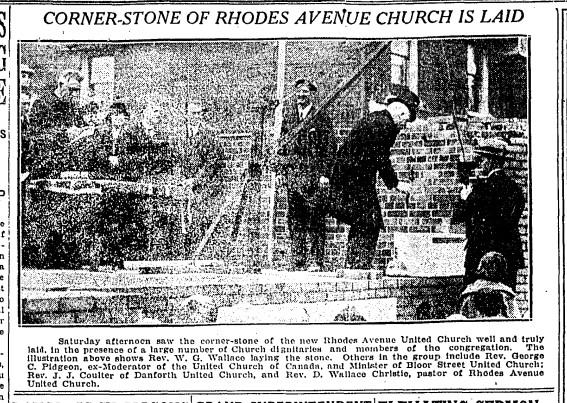
Photo, December 3, 2016, by Joanne DoucetteThe Globe, February 7, 1906 Church extension approved
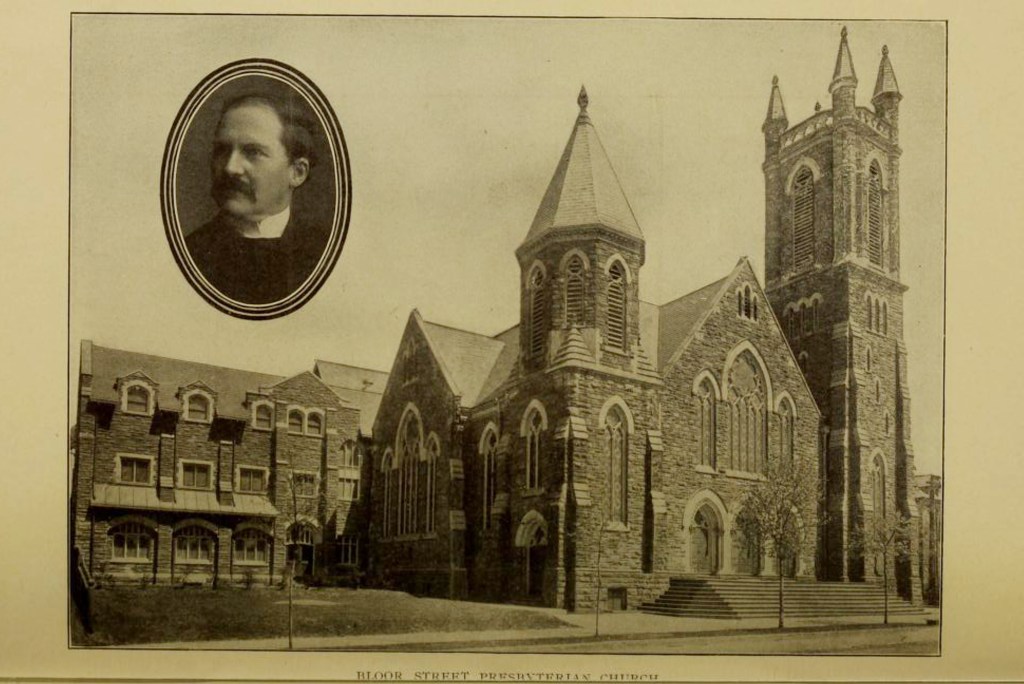
The Mother Church: Bloor Street Church
At the annual meeting of Bloor Street Presbyterian Church Mr. S. T. Bastedo was Chairman and Mr. Thomas Reid Secretary. Mr. George C. Robb, Clerk of the Session, read the statement for the past year, which was very satisfactory. The nineteenth annual report of the Board of Management was p resented by Mr. Bastedo. During the past year the congregation took on themselves the purchase of a lot on Reid avenue, and the building thereon of a church. They also authorized the payment of $300 per annum for two years for its support, and the sum was donated by Mr. F. B. Allan. The congregation also advanced $2,650.12 to the Reid Avenue Church to wipe out its indebtedness. This sum, it is expected, will be repaid in due time. Mr. D. W. Christy of Knox College was appointed to take charge of the new mission. Although an analysis of the Treasurer’s statement shows a falling off this year of $367.34 in revenue, it was explained that some receipts that in former years had been included in the annual statement had not so far been received.
The Globe, January 17, 1906
Bloor Street Presbyterian Church
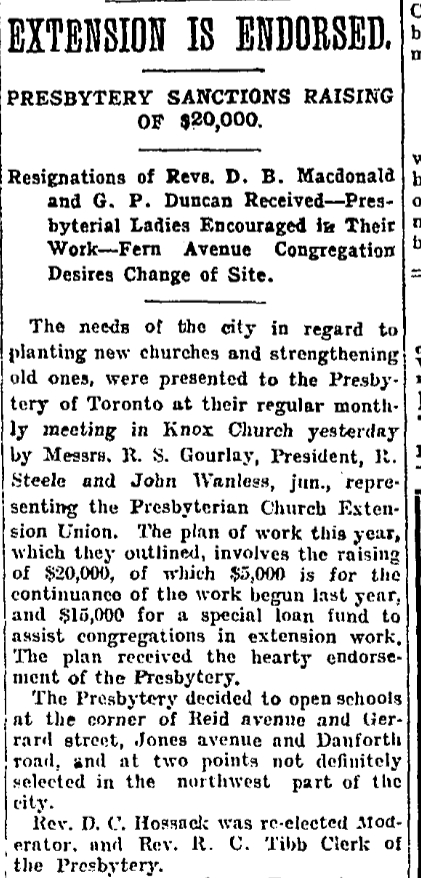
Extension Is Endorsed. Presbytery Sanctions Raising of $20,000.
…The needs of the city in regard to planting new churches and strengthening old ones, were presented to the Presbytery of Toronto at their regular monthly meeting in Knox Church yesterday by Messrs. R. S. Gourlay, President, R. Steele and John Wanless, jun., representing the Presbyterian Church Extension Union. The plan of work this year, which they outlined, involves the raising of $20,000, of which $5,000 is for the continuance of the work begun last year, and R15,000 for a special loan fund to assist congregations in extension work. the plan received the hearty endorsement of the Presbytery.
The Presbytery decided to open schools at the corner of Reid avenue and Gerrard street, Jones avenue and Danforth road, and at two points not definitely selected in the northwest part of the city.
Rev. D. C. Hossack was re-elected Moderator, and Rev. R. C. Tibb, Clerk of the Presbytery.
The Globe, February 7, 1906
1909 Sept. 25th Rhodes Ave Presbyterian Church
Church Extension. Presbyterians Buy Lot on Reid Avenue – Building to Begin Soon.
The site at the corner of Gerrard street and Reid avenue was brought yesterday by the Church Extension Committee of the Toronto Presbytery, as recommended at last meeting of the Presbytery. the price paid was $900, the amount being all put up by one man. The lot has a frontage of 110 feet on Gerrard street, and extends 100 feet along Reid avenue.
It was intended to locate nearer Queen street on Reid avenue, but as the Baptists have a site in that neighborhood the Presbyterians decided to leave them their field and build farther north.
Building operations will commence as soon as possible, but it is probably that as soon as the weather permits a tent will be pitched and regular services begun, under the charge of Rev. D. S. Dix, M.A., one of the newly-ordained Knox graduates, and a number of volunteer workers.
The Globe, April 12, 1906
The women of Reid Avenue Presbyterian Church, 1909
The Presbyterian Union for Church Extension (Robert S. Gourlay, President – Feb. 1912 co-founded Toronto Housing Company) / Bloor Street Presbyterian Church “has taken steps to begin a mission Reid avenue, the lot, building, and workers also to be furnished by the congregation. A lot has been secured on the corner of Reid avenue and Gerrard street, the gift of one member of the congregation”. Toronto Star, April 14, 1906
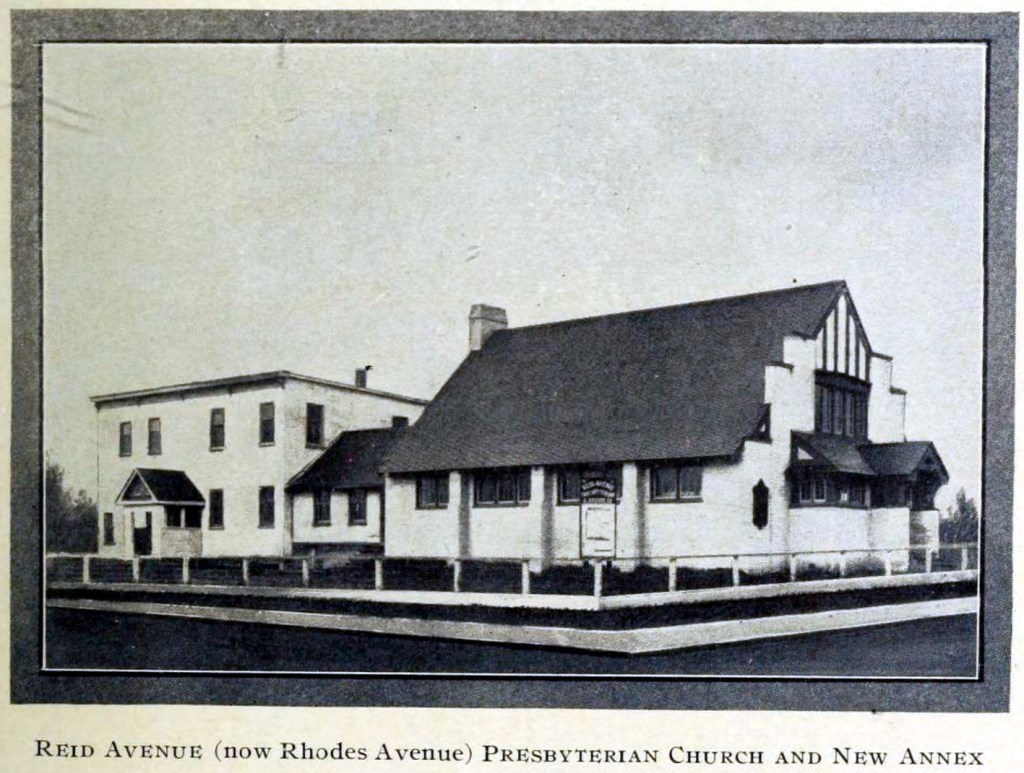
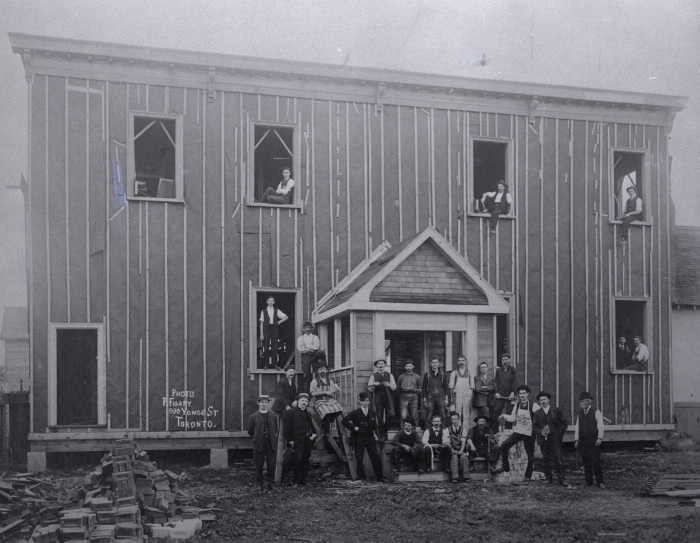
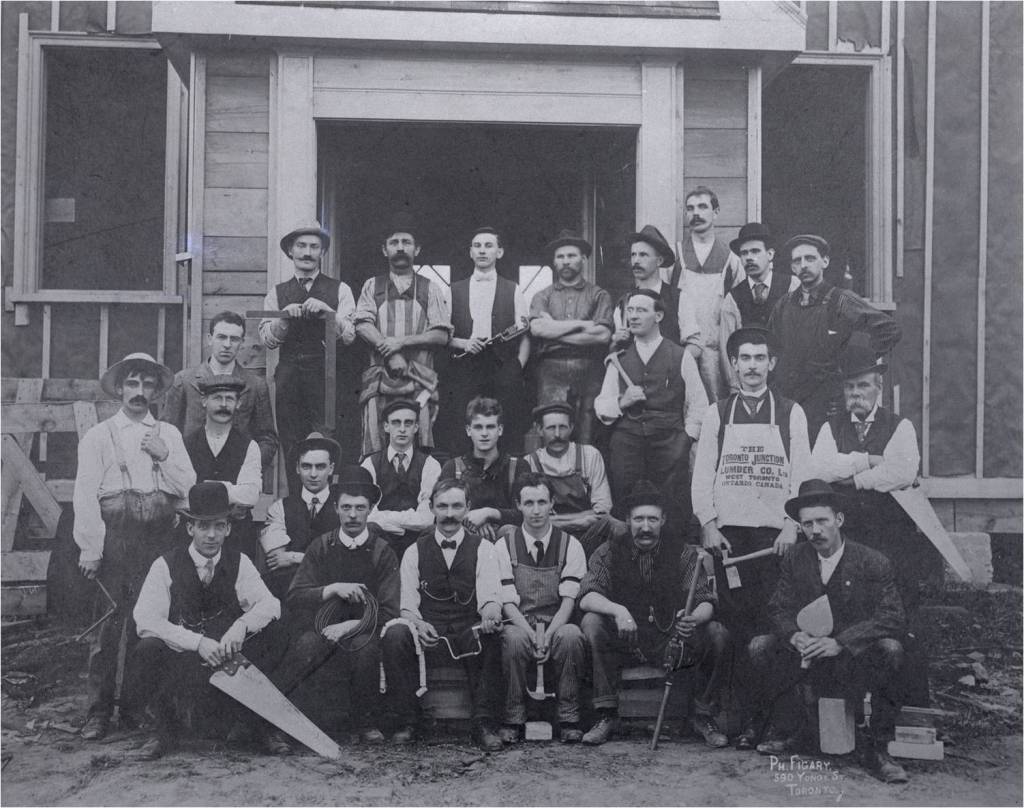
The work of Church Extension in Toronto has always found generous support in Bloor Streeet church, but, in addition to contributing to the General Fund, it decided, in order to provide an outlet for the energy of its young people and for other reasons, to seek some needy districts, where it could nurse into strength and influence a mission of its own. Just outside the City limits such a district was found, into which people, largely of the laboring class, were moving and where they were erecting their modest homes. On April 22nd, 1906, the Mission was opened in a tent on Reid Avenue. Mr. David S. Dix, of Knox College was placed in charge, and with the help of valued workers form the parent Church, soon gathered about his the nucleus of a strong congregation. A lot was purchased on the corner of Gerrard Street and Reid Avenue by Mr. Frank B. Allan, and presented to the Congregation by him for the purposes of the Mission, and in due time a commodious white brick building was erected.
It was announced that the Reid avenue church will be opened on the 25th instant. Globe, November 7, 1906
The following graduates of Knox college of the class of 1907 were licensed: W. H. Andrews, M.A., D. W. Christie, J. W. Currie, M.A., D. S. Dix, M.A., D. C. McGregor, M.A., J. B. Pauling, B.A., J. A. Sharrard, M.A., T. M. Wesley, B.A. Mr. Sharrard is going to Indore College for three years, Mr. McGregor has been appointed assistant to Dr. R. N. Grant of Orillia, Mr. Christie has charge of the Reid Avenue Mission, and will probably be called there when they are ready to give a call. The others will be ready to preach for calls. Globe, May 29, 1907
A call from Reid Avenue Mission to Mr. D. Wallace Christy to become their pastor was accepted by Mr. Christy and sustained by Presbytery. Globe, September 4, 1907
Mr. D. Wallace Christy succeeded to the care of the young cause on the regretted withdrawal of Dr. Dix, and labored so acceptably that on his graduation from Knox College and licensure by the Presbytery of Toronto, he was called to the pastorate, and on September 17th, 1907, was ordained to the Christian ministry and inducted as the first minister of this promising congregation.
The New Church is Born: Reid Avenue Presbyterian Church
Reid Ave. Presbyterians Organizing.
The congregation of Reid Avenue Presbyterian Church, which was begun last year, under the direction of Bloor Street Church, has had a very successful growth, and will shortly be organized. This week the first four elders of the congregation were elected: Messrs. E. Linley, H. Munro, S. Manchester, and W. Reid. A very large vote was cast, showing the interest of the congregation in this forward step. A meeting will be held next Friday to call a minister. It is expected that the unanimous choice will fall upon Mr. D. Wallace Christy, who has been in charge of the work there for some months. Globe, August 23, 1907
D W Christie Toronto Star, Oct. 6 1916
REV. D. W. CHRISTY INDUCTED. Ordination Service at Reid Avenue Presbyterian Church.
Rev. D. Wallace Christy was last night ordained to the ministry of the Presbyterian Church and inducted into the pastorate of Reid avenue congregation, in the presence of a large number of the members and adherents, as well as of Presbyterians from other churches.
The Moderator, Rev. W. M. McKay of Milton, presided. The ordination sermon was preached by Rev. S. T. Martin of Streetsville, who took the place of Rev. D. M. Martin of Cannington, who had been appointed to that duty by Presbytery, but was unable through illness to attend. Mr. Martin’s discourse was based on the message to the Church at Ephesus, as found in the second chapter of the Book of Revelation.
Rev. Dr. W. G. Wallace, pastor of Bloor street church, and Rev. John McP. Scott of St. John’s Church, delivered the charge to the people and to the minister, respectively, impressing their mutual relations and duties.
Rev. Mr. Christy began work at Reid avenue last September. The cause has under his untiring care developed very satisfactorily, and gives good promise of becoming a strong church. Mr. Christy came to this country from Glasgow a few years ago, and took his theological course at Knox College, finishing last spring. The congregation will tender a reception to their new pastor to-morrow evening. Globe, September 18, 1907
DEATH OF MR. WM. REID. Passed Away Suddenly of Attack of Heart Failure.
On Thursday at 872 Dundas street, Toronto, Mr. William Reid died suddenly of heart failure. Deceased had been in ill-health for several months, but the end came suddenly and as a great shock to the family. Mr. Reid was born in County Tyrone, Ireland, and married Priscilla M., daughter of the late Lieut.-Colonel James A. Woods of the same place, and came to Canada in 1869, and few years later removing to Aurora, from which place he later came to Toronto. Mr. Reid was a member of the Mount Ararat Lodge of the Orange Order and was also an elder of the Reid Avenue Presbyterian Church. He is survived by a widow and four sons – James A, manger of the Travellers’ Printers Works, Hartford, Conn.; W. G., of the C.P.R., Toronto; Stewart W., of the Scottish Union & National Insurance Company, Hartford, Conn., and Richard J., residing at home. Two daughters, Mrs. H. C. Clendenning of “Orchard Park,” Toronto, and Miss Sara A., at home; also a niece, Miss Minnie Reid. Interment will be held in Aurora on Monday at 2 p.m., on the arrival of a special car leaving North Toronto at 12 a.m. Globe, February 1, 1908
Presbyterian Extension Union established churches in other Shacktowns including Runnymede Church, Toronto Junction, St. Dennis, etc. Also paired larger churches up with financially weak ones like Chester Presbyterian Church who needed to build larger buildings. “The Church Extension Union has during the past year completed payments on a lot for Riverdale congregation, and handed it over to them free of debt. A church has been built there, which has about eighty members.” Globe, March 26, 1908
WELCOMED PASTOR AND BRIDE. Reception to Rev. D. Wallace Christy by His Reid Avenue Congregation
Rev. D. Wallace Christy, pastor of Reid Avenue Presbyterian Church, was heartily welcomed back by his congregation last Tuesday evening, with his bride, the marriage having taken place in Moray United Free Church, Edinburgh, on Mr. Christy’s recent visit. Mrs. S. J. Manchester, a member of the Session, was Chairman of the evening. Mr. James McKinley, elder, on behalf of the congregation, presented Mr. Christy with an address of welcome, and Mrs. Christy with kitchen furniture for the manse. Mr. and Mrs. S. Murray and Mrs. Wm. Linley, sen., on behalf of the Ladies’ Aid, presented Mrs. Christy with a handsome autograph quilt. Mrs. Christy feelingly replied, thanking the ladies for their kind welcome and for the tokens of friendship already received. Rev. D. S. Dix, M.A., a fellow-student with Mr. Christy, conveyed congratulations from the ’07 graduating class of Knox College. During the serving of tea and cake a piece of the Scottish wedding cake was given to each person present. Suitable music was rendered by the organist, Mr. George King, and Mr. J. Tweedie. Globe, July 30, 1908
THEY WANT ANNEXATION. Reid Avenue District Would Come Into the City.
Two hundred and fifty men, representing the property-holders of the Reid avenue district, which is proposed to annex with East Toronto, met in Reid Avenue Presbyterian Church last night, under the Chairmanship of Rev. D. Wallace Christy, to discuss the matter. A voted showed that all but two men favored annexation, and that they feared their petition might get shelved with that of East Toronto. All present expressed willingness to bear the increased taxes, provided they would get the fire, light, police, water and sanitary services of which the district stands in greatest need. Globe, August 5, 1908
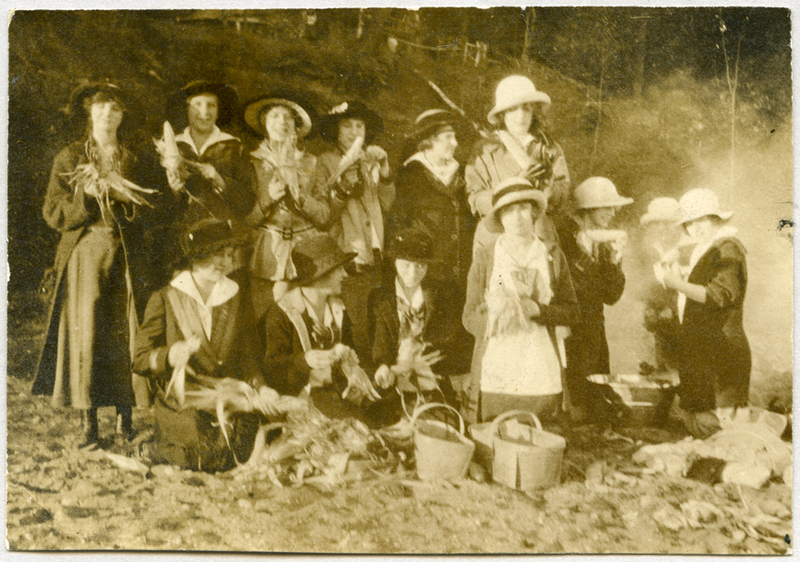
Ladies from Rhodes Avenue Presbyterian Church having a corn roast at the beach
“There is truth and strength in Professor Kilpatrick’s words upon the work of city churches. If the churches are not to lose their hold upon the people, they must work close to the people. A fashionable church at one end of the city with a mission at the other will not suffice. It is too much like Downing Street and the Colonies. The coming church [will be open to people] every day and in every phase of their lives. It is an enormous waste of money to build a magnificent temple of religion and to keep it closed except during the holding of three or four services in the week.
Prof. Kilpatrick admires the beautiful services in St. Andrew’s Church. “I would not do so, however, if I thought it was merely intended for the upper ten. It is a beautiful service, but it must be for all the people. You that are wealthy have every opportunity to hear and to see beautiful things. It is nothing to have cultivated young ladies sing to you in your drawing rooms. See that your beautiful service is for them also who are less fortunate than you.”
This is the true spirit of Christian democracy. Beautiful things are of little value unless they beautify the lives of the whole community, and especially of those whom poverty forces to endure many things that are mean and sordid. If it is worth while building a beautiful church at all, it is worth while building it for the poor. A temple in a fashionable region and a mission shack in shacktown illustrate the wrong way.” Toronto Star, Nov. 6, 1908
Presbyterian Clergy Give Hearty and Unreserved Support to License Reduction. “We, the Presbyterian Ministers of Toronto, believing from daily observation in the pursuance of our pastoral duties, that intemperance is chief among the causes of poverty, disease, vice and crime;
Believing, too, that a reduction in the number of liquor licenses would reduce the opportunities for liquor drinking…”
They wanted a reduction of barroom licenses to 110.
Signed by a number of ministers including W. G. Wallace, minister of the mother church, Bloor Street Presbyterian Church, and D. W. Christie. Also signed by R. H. Abraham, Davenport Presbyterian Church. Globe, December 30, 1908
Shacks on Coxwell Avenue, ca. 1907
WOULD SOONER STEAL THAN BEG. It is More Honorable Say Some of Unemployed. URGE TOWNSHIP TO ACT. Rev. Mr. Christy Speaks of The Globe’s Fund. Men Assisted by the House of Industry Refuse to Work in Return – The Mayor Expresses Indignation at Their Conduct.
“We would sooner steal than beg, because it’s more honorable,” declared one Peter Harrison, a member of a deputation of unemployed to the York Township Council yesterday afternoon. “We want work and we don’t want to beg,” he went on. “Many of us went to see Councillor Jackson about work. He gave us what he could and then told us to get down on our knees and pray for a heavy fall of snow.”
The party was headed by Rev. D. W. Christy of Reid Avenue Presbyterian Church and comprised about twenty of these men who have built little homes for themselves in Reid avenue and vicinity. No demonstration of any kind was made or attempted. The men came in little groups of two or three and took chairs in the Council chamber to wait patiently until it was the pleasure of the Council to hear them.
Rev. Mr. Christy’s Appeal.
Rev. Mr. Christy made an earnest and touching appeal on their behalf. He said there were a great many men out of work in his district. He did not intend to retell any of the tales of hardship and suffering, as it was not a good thing to make a parade of their condition. They had come to the township as a last resort. Every other means for getting help had been tried. The city had absolutely refused to allow anyone to get help from the House of Industry who lived beyond the city limits, and the various charity organizations would not listen to them either. His manse had been flooded with men with stories of suffering, and he personally had relieved over fifty applicants for aid. Their funds could not hold out against the demand, so he appealed for aid. At a previous meeting the Reeve had promised work. He himself had gone to four men on Saturday and offered them orders on a grocery store, but they refused it because they wanted work, and not charity. He knew that some of the cases were unworthy. The Reeve had expressed an opinion reflecting somewhat upon The Globe’s fund (The Shacktown Fund) which had been collected a year ago. Every man had a right to his own opinion, of course, but he was of the opinion that The Globe fund saved the township of York many thousands of dollars. The Globe had accomplished a work which no other institution would attempt, and the work done and the benefits derived from the distribution of the money would never be forgotten.
Misrepresentation Alleged.
Taking advantage of an invitation to talk extended by the Reeve several of the deputation spoke. One man said he had come out from England to New Ontario under misrepresentation on the part of emigration officials in the old country, and he thought the Canadian Government was responsible. He had found that things were not as they had been painted, and it was an utter impossibility to make a living out of a bush farm. He came to Toronto. He had only worked six weeks since last August. Last Friday, unable to stand the sufferings of his wife and children, he put his pride in his pocket, took a hand organ and got a few pennies thereby in York. He could do without a meal himself, but he did not want his family to. He didn’t want charity if he could possibly get along without it. He was willing to do any kind of work so long as it was honest.
By way of reply, Reeve Henry said the township would do what it could in the way of giving work, but he held out no hope that everyone would be able to get it. “You men,” he said, “all came to Toronto as a centre for labor, and came out to the township to get cheap homes. You pay taxes, all right, but then those taxes don’t even pay for the schools. But we will do what we can. We are not in the same position as the city.
We have no parks or work of that sort, but we will get all the stones we can and give work wherever possible. The city has a moral responsibility for the men on its outskirts, for, practically speaking, you men are only lodgers with us and would not be there if homes were as cheap in the city.
“Then we’re practically outcasts; we don’t belong to the city or township,” said one of the party, Mr. Harrison, who had spoken before.
“Sit down,” said the Reeve.
“I won’t. I have the floor,” retorted the speaker.
“Sit down, and shut up or get out,” said the Reeve shortly, and the speaker sat down. After the deputation had departed Clerk Clark read a letter from Mr. Archibald MacMurchy, the Honorary Secretary of the House of Industry, thanking the Council for provisions already provided for needy ones and wishing to impart the information that the assistance given was more liberal than the township had been given credit for. Globe, January 19, 1909
Rev. W. H. Porter was appointed pastor of the Reid Avenue Church, Toronto, which is under the Mission Board. Globe, July 10, 1909
Under his [David Wallace Christie’s] energetic leadership the work has fulfilled the promise of its earlier days; in the Sabbath School and Men’s Club and Mothers Meeting and indeed in all departments the first enthusiasm has not waned, but rather increased. The Church has become in several regards the centre of the growing community, and the numbers have so multiplied, that already more accommodation is required. A large addition to the Church building has just been erected; the material for this has cost some $1,800 or 42,000, which is being raised from friends throughout the City, the actual work of the new structure having been undertaken and completed by the men of the Reid Avenue Congregation.
Bloor Street Church initiated this cause and has nursed it and until now it may be expected to stand alone and to contribute in turn to some needier cause. The Reid Avenue Sabbath School now numbers 260, and the Communion Roll, 250. A Short Historical Sketch of the Bloor Street Presbyterian Church Toronto. Prepared by the Committee of Session. November, 1909.
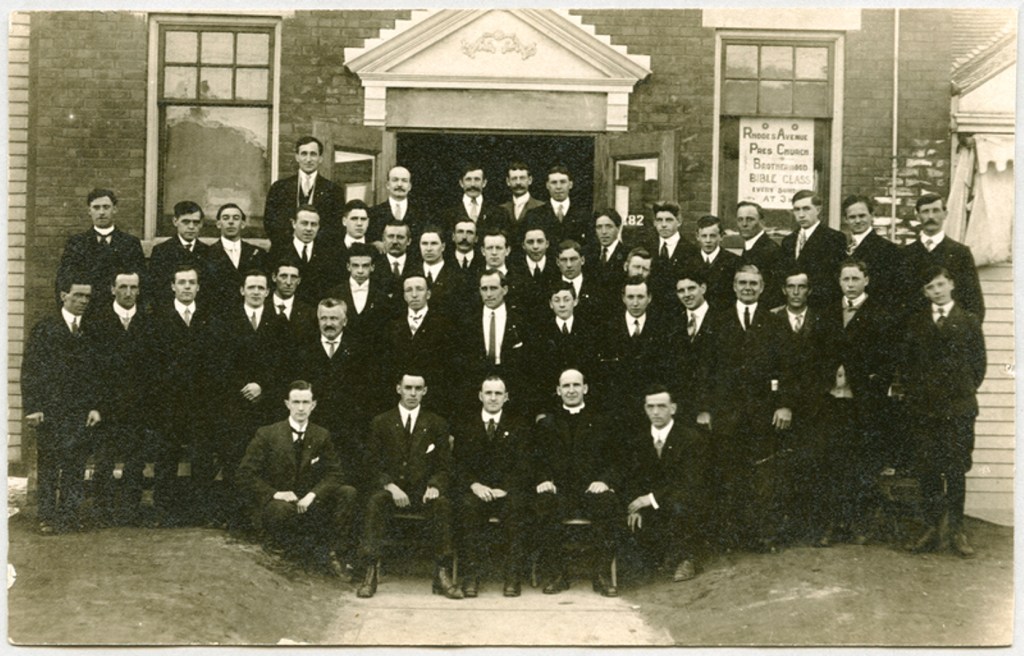
Bible Class Rhodes Avenue Presbyterian Church
SANTA CLAUS SUPERINTENDENTS AND DISTRICTS The list of District Superintendents follows. Names of poor children should be sent to these district heads, not to The Star, as no names are accepted without their recommendation:
District 2. Earlscourt, between G.T.R. and Lakeview avenue, north of Davenport road. Superintendent Rev. P. P. Bryce. Address 26 Nairn avenue. Phone Junction 1311.
District 3. Bounded by Bloor street, Davenport road, Ward Seven, and Avenue road. Superintendent Rev. F. J. Maxwell. Address 1026 Dovercourt road. Phone Junction 1308.
District 4. Bounded by Bloor, College, and St. George streets, and Ward Seven. Superintendent Rev. Father Minehan. Address 572 Bloor street west. Phone College 3525.
District 5. Bounded by College and Shaw streets, and G.T.R. Superintendent Rev. H. A. Macpherson. address 154 Rusholme road. Phone Park 1713.
District 6. Wychwood, Lakeview avenue to Spadina, north of Davenport road. Superintendent Rev. W. J. Brain. Address 6 Markham street, Wychwood. Phone Hillcrest 2769.
District 7. Between Spadina avenue and Shaw street, south of College street. Superintendent Rev. J. D. Morrow. Address 939 Bathurst street. Phone Hillcrest 1817.
District 8. Between Spadina avenue and Yonge street, south of College street. Superintendent Miss H. D. McCallum. Address 129 Pembroke street. Phone Main 3998.
District 9. Between Yonge and Sherbourne streets. Superintendent Miss S. M. Whitworth. Address avenue road and St. Clair avenue. Phone North 5654.
District 10. between Sherbourne street and the Don River. Superintendent Rev. Canon H. C. Dixon. Address 417 King street east. Phone Main 6630.
District 11. North of Gerrard street, east of the Don, to the old city limits. Superintendent Rev. Judson McIntosh. Address 13 Fenwick avenue.
District 12. South of Gerrard, east of the Don. Superintendent Rev. D. W. Christie. Address 17 Morley avenue. Phone Beach 483.
District 13. East Toronto. Superintendent J. W. Brandon, Esq. Address Coleman P.O. Phone Beach 311.
District 14. Between Yonge street and Avenue road, north of College street. Superintendent Captain Mitchell. Address 28 Davenport road.
Toronto Star, Nov. 18, 1912
1917 The Women’s Missionary Society at Rhodes Avenue Presbyterian Church was very active in supporting both home and foreign missions. The President was Mrs. Crone. The Minister was H. A. Berlis. The membership was about 700, of which 300 or more where overseas. The Church was actively promoting gardening to increase food production. W. Allen did “an illustrated lecture” on the subject.
On January 22, 1918, David Wallace Christie enlisted in the Canadian army.
Non-concurring embers of the Reid Avenue Presbyterian Church initially met in the Classic Theatre. Toronto Star, January 21, 1925
The “Continuing Presbyterians” of Rhodes Avenue Church passed a resolution to unite with the Continuing Presbyterian Church “under whatever name it is known after June 10.” They were still meeting in the Classic Theatre on Sunday and held a prayer meeting in a home on Wednesdays. Globe, February 2, 1925
Bible Class Rhodes Avenue Presbyterian Church
RHODES AVENUE UNITED 31ST ANNIVERSARY.
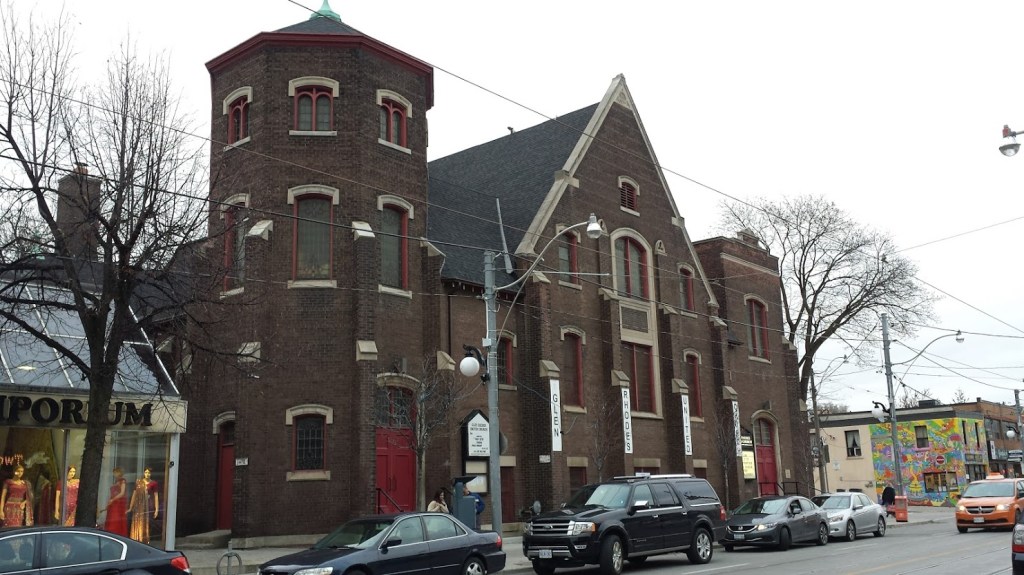
The congregation of Rhodes Avenue United Church will tomorrow celebrate the thirty-first anniversary of the beginning of work in the Reid Avenue Presbyterian Church. Rev. D. Wallace Christie, B.A., B.D., who is in his second pastorate in the charge, was the first minister, and came to establish the cause under the jurisdiction of the Bloor Street Presbyterian Church in 1906, when the district of Gerrard and Rhodes avenue was undergoing a rapid change from pasture land to a busy settlement. From the inception of the work the growth in interest and numbers has steadily increased. In 1925 the congregation voted to join the union, and has since been known as Rhodes Avenue United Church. The first building, which faced on Rhodes Avenue, has been turned about, facing Gerrard Street, and a fine, new brick structure now serves the congregation. In celebration of the anniversary two guest preachers will occupy the pulpit on Sunday. Rev. A. S. Orion, M.A., S.T.M., D.D., recently appointed to Emmanuel College staff, will preach at 11 o’clock, and at 7 p.m. Rev. Dr. R. B. Cochrane, Secretary of the Board of home Missions for the United Church of Canada, will preach. Anniversary and St. Andrew’s supper will be held on Monday evening, when the Rev. Dr. G. A. Dickson, minister of Metropolitan Church, will give the address.
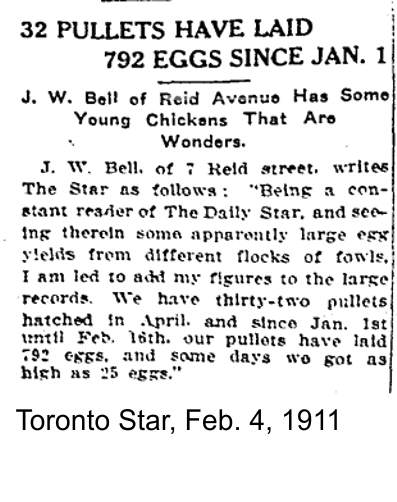
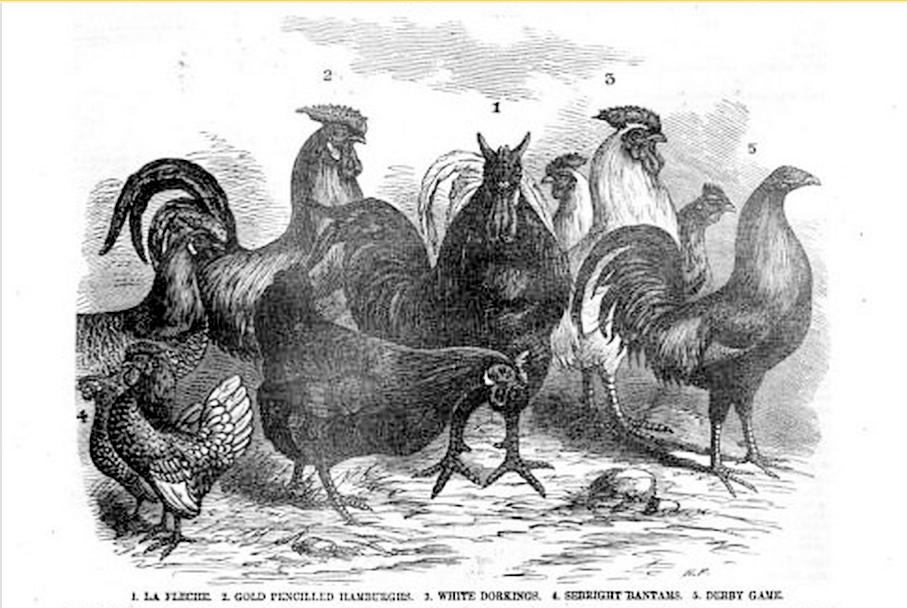
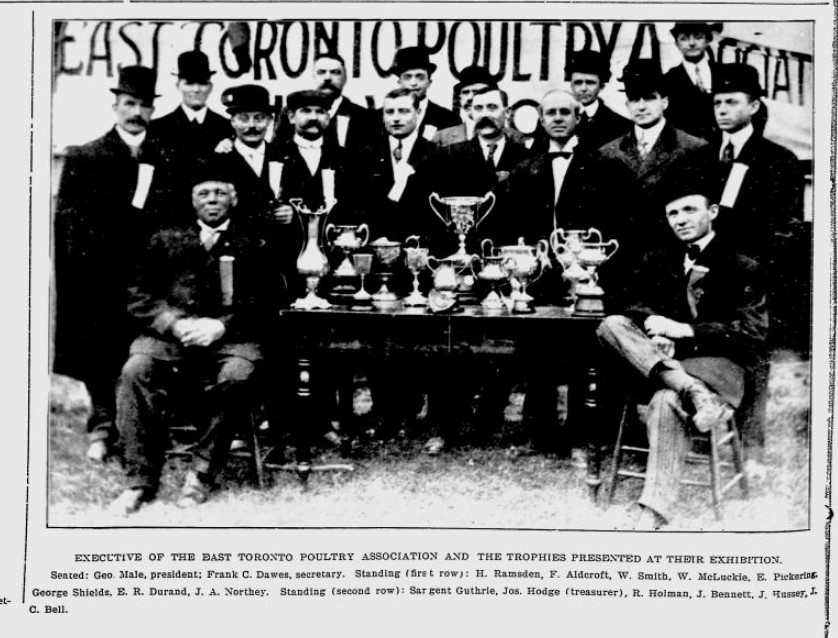
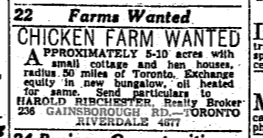
J.W. Bell, chickens, 7 Reid Ave, Toronto Star, February 4, 1911Chickens, Canadian Farmer magazine, 1867Chickens on Coxwell Avenue, Canadian Poultry Review [Vol. 19, no. 9 (Sept. 1896)] Ship your live chickens to the Harris Abattoir, Toronto World, May 20, 1910East Toronto Poultry Association, Toronto Sunday World, Feb. 5, 1911Chickens, Wrenson Road, Toronto Star, March 8, 1920Canada Farmer magazine, chicken 1866Chicken farm wanted, Gainsborough Rd, Globe and Mail, July 17, 1951

































































































 The Midway Historical Society of Toronto